San Diego’s sunshine, salty ocean breeze, and Mediterranean climate are part of what make living in this city so amazing. Still, they also make landscaping and plant care a real challenge, especially when it comes to water conservation. With recurring droughts and increasingly stringent water restrictions, selecting the right plants for your yard isn’t just smart; it’s essential.
If you want a lush, vibrant landscape without a high water bill, you’re in the right place. In this guide, we’ll walk through the top five most drought-resistant trees that thrive in San Diego—whether you have a sprawling yard in Rancho Peñasquitos or a cozy patio in Pacific Beach.
And remember, when your landscape includes trees (and it almost always does), having a reliable San Diego tree service company like LC Tree Service can make all the difference.
WHY DROUGHT-RESISTANT TREES MATTER IN SAN DIEGO
WATER CONVERSION IS CRITICAL
San Diego averages only about 10-12 inches of rainfall per year. That means your trees can’t rely on rain alone. If our city wants to maintain its added greenery, then drought-resistant trees and plants are critical. They dramatically reduce water usage, help meet conservation guidelines, and lower monthly utility bills.
BEAUTY WITHOUT THE GUILT
Modern drought-resistant landscaping is anything but boring. And best of all, you can have a beautiful outdoor property without using too much water. From vibrant blooms to dramatic architectural forms, today’s water-wise plants offer an incredible visual appeal.
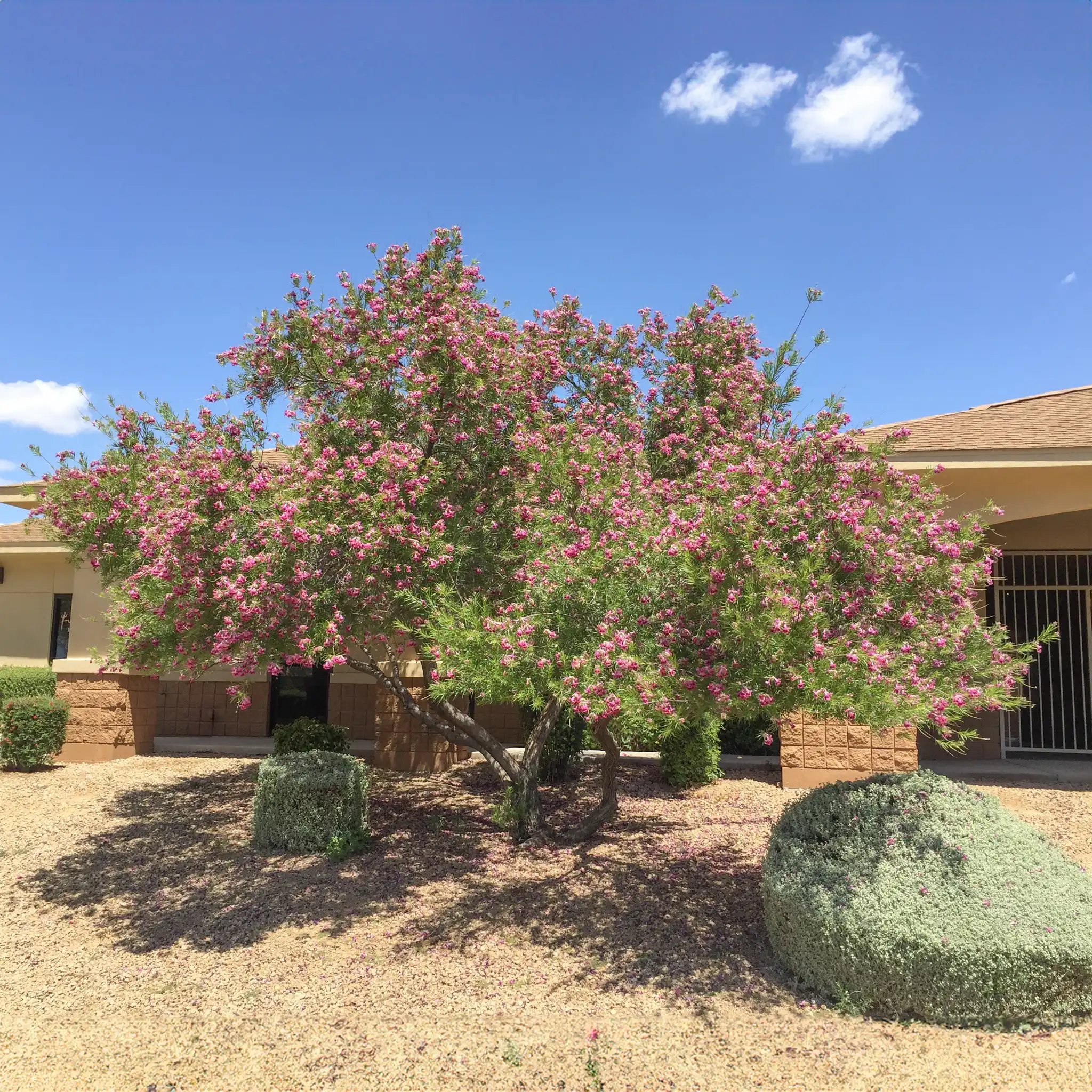
Photo courtesy of Moon Valley Nurseries
1.
DESERT WILLOW
San Diego’s warm temperatures, mild winters, and occasional droughts make it an ideal environment for the desert willow tree (Chilopsis linearis). Native to the southwestern U.S and northern Mexico, this tree is built to handle heat and limited water. Once established, it’s highly drought-tolerant, making it a water-wise choice for homeowners who want to reduce irrigation costs without sacrificing curb appeal.
Desert willows typically grow between 15 and 30 feet tall, making them perfect for residential lots, commercial landscapes, and HOA properties. Their manageable size also means they’re less likely to interfere with power lines or structures—something your San Diego tree service professional will appreciate.
A TREE THAT BRINGS COLOR
One of the desert willow tree’s biggest selling points is its showy, trumpet-shaped flowers. Blooming from late spring through summer, the flowers range from soft pink to lavender and attract hummingbirds, butterflies, and admiring neighbors. It’s basically free entertainment for your yard.
The tree’s airy canopy allows filtered sunlight to pass through, which is ideal for patios, walkways, or garden areas where full shade isn’t necessary. Plus, its slender leaves create a graceful, almost tropical look—without the high maintenance of more exotic trees.
LOW MAINTENANCE, NOT NO MAINTENANCE
While desert willows are relatively easygoing, they still benefit from professional care. Regular pruning helps maintain structure, removes dead wood, and keeps the tree looking its best. LC Tree Service arborists can also assess branch weight, storm readiness, and long-term health—especially important as trees mature.
It’s worth noting that desert willows can drop seed pods and flowers, which may require occasional cleanup. Strategic pruning can reduce this and help the tree stay tidy without compromising its natural shape.
SMART LANDSCAPING FOR PROPERTY VALUE
From a real estate perspective, desert willows add both aesthetic and functional value. They’re eco-friendly, visually appealing, and align well with California’s push for sustainable landscaping. Well-maintained trees can enhance curb appeal, provide cooling shade, and make your property more attractive to buyers or tenants.
Whether you’re planting a new tree or caring for an existing one, partnering with LC Tree Service ensures your desert willow remains healthy, safe, and beautiful for years to come.
2.
PALO VERDE
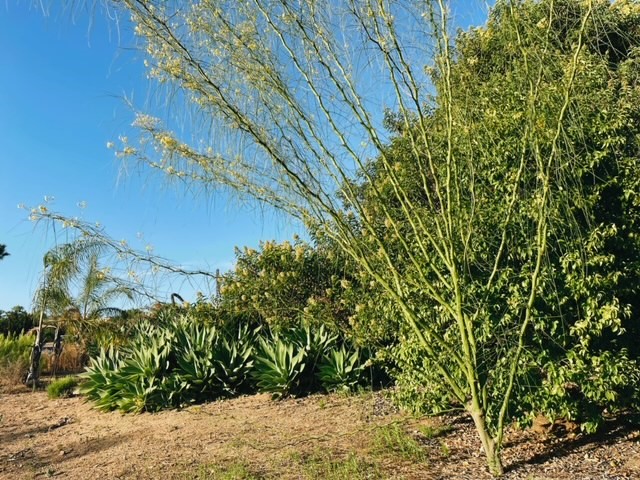
Native to the deserts of the Southwest, palo verde trees (Parkinsonia) are exceptionally well-suited to San Diego’s dry summers and mild winters. “Palo verde” literally means “green stick” in Spanish, referring to the tree’s green bark, which performs photosynthesis even when the tree drops its leaves during drought conditions.
This adaptation makes palo verdes extremely drought-tolerant, a major advantage as water conservation becomes increasingly important across the region. Once established, these trees require minimal supplemental watering—music to the ears of any cost-conscious property owner.
Most palo verde varieties grow between 15 and 30 feet tall, making them ideal for residential yards, commercial properties, and parking lots. Their open canopy provides light shade without completely blocking sunlight, helping to cool outdoor spaces while still allowing plants beneath them to thrive.
EYE-CATCHING BEAUTY WITH SEASONAL IMPACT
In spring, palo verde trees steal the show. Their vivid yellow blooms can cover the entire canopy, creating a dramatic and cheerful display that instantly boosts curb appeal. It’s the kind of tree that makes passersby slow down—and neighbors ask questions.
The sculptural trunk and branches also add year-round visual interest, especially in modern or desert-inspired landscapes. A properly maintained palo verde can be both a focal point and a functional shade tree.
PROFESSIONAL CARE MATTERS
While palo verde trees are low-maintenance, they are not maintenance-free. Their fast growth and naturally flexible wood mean they benefit greatly from proper structural pruning—especially when young. Without professional guidance, branches can become poorly spaced. But this isn’t a tree that you want to trim yourself. While pretty to look at, the tree’s limbs are covered with sharp spikes. Such a typical desert plant!
This is where help from an LC Tree Service arborist can help you out big time! Experienced pruning helps ensure your palo verde remains visually appealing as it matures and you free from unnecessary injuries.
A SMART INVESTMENT FOR PROPERTY OWNERS
From sustainability to aesthetics, palo verde trees check a lot of boxes. They’re water-wise, visually striking, and well-adapted to San Diego’s environment. Well-cared-for trees can enhance property value, reduce heat around buildings, and demonstrate environmental responsibility—something today’s buyers and tenants increasingly appreciate.
Whether you’re planting new trees or caring for established ones, partnering with LC Tree Service ensures your palo verde remains a long-term asset rather than a liability.

3.
JACARANDA
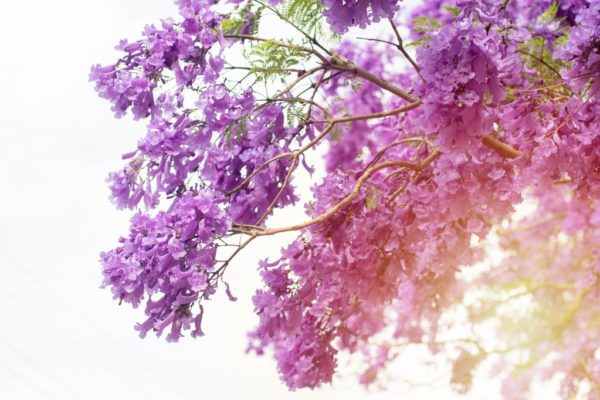
Jacaranda trees (Jacaranda mimosifolia) aren’t native to Southern California, but they’ve become one of San Diego’s most beloved ornamental trees. In fact, they’re the city’s official non-native tree, thanks in part to early plant enthusiasts and community advocates.
These subtropical trees originate from South America, yet San Diego’s warm Mediterranean climate suits them perfectly. Come late spring and early summer (usually around May and June), jacarandas burst into clusters of lavender-blue trumpet-shaped blossoms that can cover an entire tree. When the blossoms fall, they create a whimsical purple carpet underneath that many residents eagerly await.
You can spot stunning rows of jacarandas along several San Diego streets, including Rosecrans Boulevard in Point Loma, 25th Street in Golden Hill, and Mission Village Drive above Snapdragon Stadium.
SEASONAL CHALLENGES AND TREE SERVICE TIPS
Jacarandas are fabulous bloomers—but they can be messy bloomers. The petals fall in great drifts, which are beautiful but can clog gutters, stick to driveways, and require regular cleanup. This is why many property owners turn to professional San Diego tree service teams to manage seasonal needs and keep landscapes looking sharp
Pruning plays a significant role in the health and appearance of jacarandas. Trimming in late winter or early spring encourages healthier growth and abundant flowering, whereas cutting too late in the spring can reduce blooms. Removing dead, crossing, or weak branches improves
If you’re thinking about fertilizing, less is often more. Too much nitrogen can promote leafy growth at the expense of flower production, so choosing a balanced tree fertilizer and applying it sparingly helps strike the right balance.
PLACEMENT MATTERS
Before planting a jacaranda, consider how it fits into your overall landscape design. Leaving ample space from sidewalks, roofs, and underground pipes helps prevent future issues with root spread or canopy overreach. LC Tree Service certified arborists can help assess your property and suggest optimal placement, so your tree adds beauty without headaches.
MORE THAN JUST GOOD LOOKS
Aside from the visual enchantment they bring each spring, jacarandas also attract pollinators and contribute shade in hot months. They’re part of what locals affectionately call San Diego’s ” purple haze” season—an annual tradition that feels uniquely Southern Californian.
Jacarandas can sometimes bloom more than once, with a peak in the traditional spring period and a smaller bloom later in the year, giving your yard multiple chances to enjoy the show.
4.
CALIFORNIA SYCAMORE
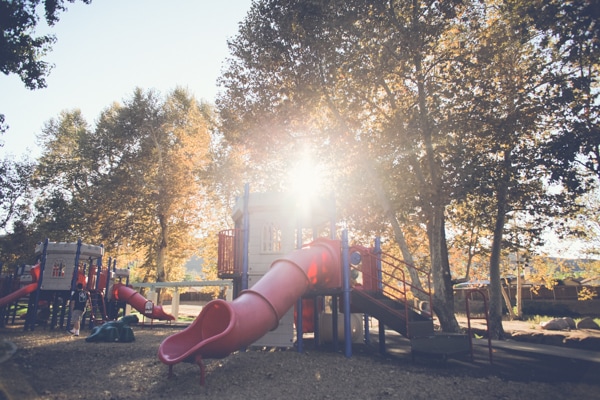
The California sycamore (Platanus racemosa) is perfectly suited to Southern California’s climate. Native to riparian areas, it naturally grows along creeks and floodplains, which means it’s well adapted to periodic drought followed by heavy rain. Once established, sycamores are relatively drought-tolerant, making them a smart choice for large San Diego properties seeking shade without excessive irrigation.
These trees can reach 60-80 feet tall with a wide-spreading canopy. Translation for property owners: serious shade. That shade can reduce cooling costs in summer and create a more comfortable outdoor environment—especially valuable in inland areas of San Diego County.
A TREE WITH PERSONALITY
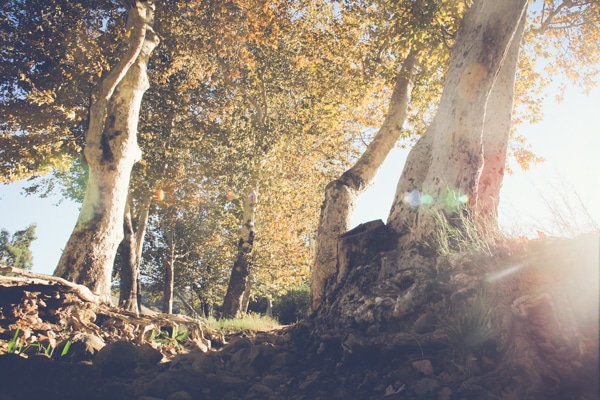
Sycamores are known for their distinctive bark that flakes off to reveal creamy white and light green patches underneath. It’s like natural camouflage—and a great conversation starter. However, that bark shedding, along with leaves and seed balls, means sycamores can be messy. If your tree overhangs a driveway, roof, or patio, regular maintenance from a certified arborist at LC Tree Service is essential to keep debris under control and prevent clogged gutters.
ROOT SYSTEMS AND PROPERTY CONSIDERATIONS
One thing San Diego property owners should never ignore: sycamore roots. They’re strong and expansive when water is nearby. Planted too close to sidewalks, foundations, or underground plumbing, sycamores can cause costly damage over time. Proper placement and proactive root management are key, and this is where consulting a professional tree service in San Diego really pays off.
PRUNING, HEALTH, AND SAFETY
California sycamores benefit from periodic structural pruning, especially when young. Proper pruning helps develop strong branch architecture and reduces the risk of limb failure during Santa Ana winds or winter storms. Mature sycamores also need routine inspections to identify deadwood, fungal issues, or pest problems early.
5.
CRAPE MYRTLE
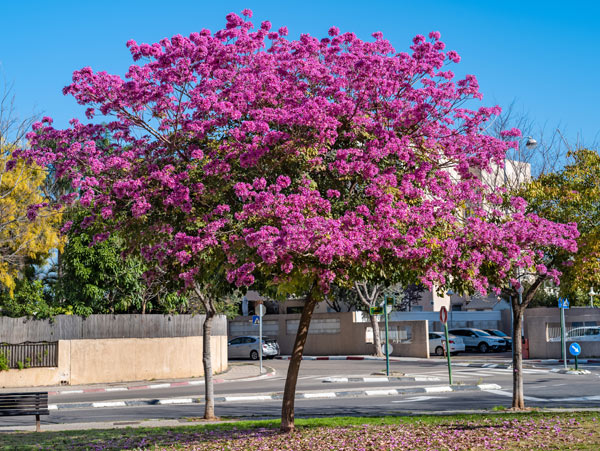
San Diego’s warm climate, mild winters, and long growing season make it an ideal environment for crape myrtles. These trees love sunshine and handle heat exceptionally well, which is why you’ll often see them lining streets, enhancing commercial properties, an important advantage in a region where water conservation matters.
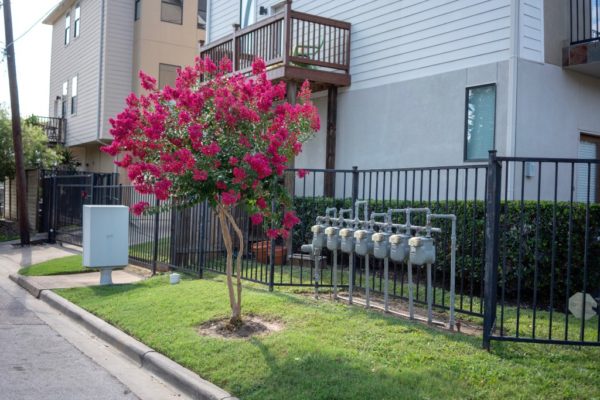
Crape myrtles typically bloom from late spring through early fall, producing showy flowers in shades of pink, red, white, lavender, and purple. As a bonus, their bark peels attractively as the tree matures, adding visual interest even in winter when the leaves drop.
A PRACTICAL AND ATTRACTIVE LANDSCAPE TREE
For property owners, crape myrtles strike a great balance between beauty and practicality. They come in a range of sizes, from compact varieties suitable for smaller yards to larger specimens that can provide meaningful shade. Their root systems are generally non-invasive, making them safer to plant near sidewalks, driveways, and foundations compared to many other tree species.
They’re also relatively resistant to pests and diseases, especially when properly pruned and maintained. This makes them a favorite recommendation from many San Diego tree service professionals for homeowners who want an elegant tree without constant headaches.
PROPER PRUNING MATTERS
One of the most common mistakes with crape myrtles is improper pruning—often referred to as “crape murder.” Over-pruning can weaken the tree, reduce flowering, and create unattractive growth patterns. LC Tree Service certified arborists can help ensure your crape myrtle is pruned correctly, typically in late winter or early spring, to encourage healthy growth and abundant blooms.
Professional tree care also includes monitoring for issues like powdery mildew, aphids, or structural imbalances, which can arise if the tree is neglected.
ADDING VALUE TO YOUR PROPERTY
Well-maintained crape myrtles can enhance curb appeal and even increase property value. Their seasonal color adds charm, while their manageable size and clean growth habit make them appealing to buyers and tenants alike. Whether you own a single-family home, a rental property, or a commercial building, investing in proper tree care is a wise decision.
SETTING A STRONG “FOUNDATION”
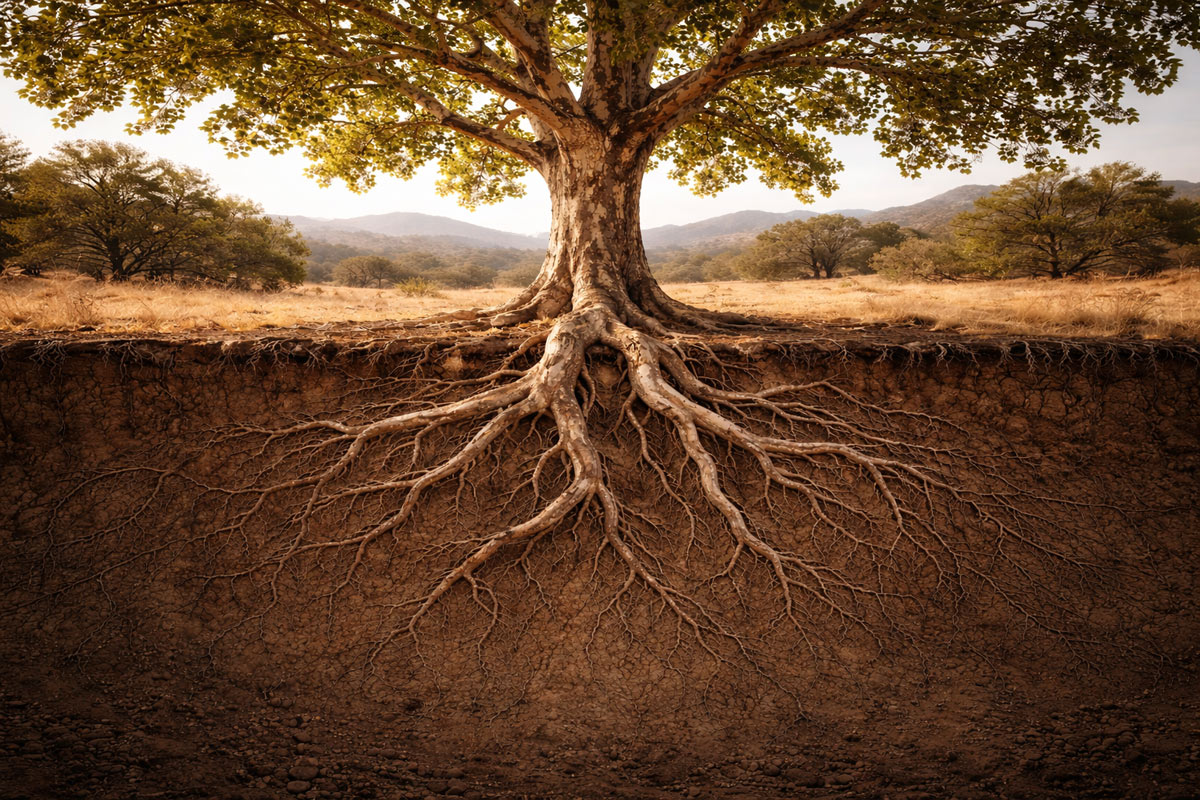
Even the toughest trees need proper care during their early years. Establishment is the most critical phase. Deep, infrequent watering encourages roots to grow downward rather than staying shallow near the surface. This makes trees more resilient to heat and drought.
Mulching around the base helps retain moisture, regulate soil temperature, and protect roots. Keeping mulch a short distance away from the trunk prevents rot and pest issues.
Location matters just as much as species. Sun exposure, soil type, slope, and proximity to structures all influence how well a tree will perform. Consulting with a professional arborist before planting can prevent costly mistakes later.
THE ROLE OF PROFESSIONAL SAN DIEGO TREE SERVICE
Drought-resistant does not mean maintenance-free. Trees still need proper pruning, health assessments, and occasional corrective care. Storms, high winds, and prolonged heat can all impact tree stability.
At LC Tree Service, we understand local conditions, city regulations, and best practices for long-term tree health. From selecting the right tree to maintaining mature specimens, expert care protects both your landscape and your property.
Well-maintained trees are safer, more attractive, and more valuable. Neglected trees, even drought-tolerant ones, can develop structural problems that lead to costly damage if left unaddressed.
SMART LANDSCAPING IS AN INVESTMENT
Choosing drought-resistant trees is about more than saving water. It’s about creating a landscape that works with San Diego’s climate instead of fighting it. These trees reduce stress, lower maintenance demands, and help future-proof your property against changing environmental conditions.
Healthy trees also contribute to cooler neighborhoods, improved air quality, and stronger communities. When properly cared for, they become assets that grow in value over time.
READY TO UPGRADE YOUR LANDSCAPE THE SMART WAY?
If you’re thinking about planting new trees, trimming existing ones, or evaluating the health of your landscape, working with a trusted professional makes all the difference. From drought-resistant tree selection to expert pruning and ongoing care, LC Tree Service understands what San Diego trees need to thrive in our unique climate.
Whether you’re a homeowner or property manager, now is the perfect time to invest in trees that look great, conserve water, and stand the test of time. Contact LC Tree Service today and let experienced professionals help your landscape grow smarter, stronger, and more beautiful—without wasting a drop.