Whether you own a home in Poway, manage a commercial property in Mission Valley, or oversee an HOA in Rancho Santa Fe, it’s easy to forget about your trees until something goes wrong. Maybe a branch starts hanging over your driveway, leaves begin piling up faster than usual, or a limb suddenly snaps when windy weather comes our way. By that point, the tree has often been asking for attention for months.
The good news is that most trees give plenty of warning before they become hazardous. Learning to recognize those warning signs can save you money, reduce liability, and help your trees stay healthier for years to come. And in many cases, scheduling San Diego tree trimming at the right time prevents small issues from turning into expensive emergencies later on.
At LC Tree Service, we’ve inspected numerous trees throughout San Diego County. While some only needed a little routine maintenance, others had been neglected long enough that removal became the safest option. Fortunately, most problems are preventable when they’re caught early.
In this guide, we’ll talk through the ten most common signs that your tree needs trimming. We’ll also explain why those signs matter, what they could mean for your property, and when it’s time to call a professional.
Why Regular Tree Trimming Matters in San Diego
San Diego has one of the best climates in the country for growing trees—but with some caveats. They need more water than our climate provides, and they need regular maintenance. Between long dry summers, occasional winter storms, strong Santa Ana winds, and fast-growing ornamental species, trees here face challenges that many other parts of the country don’t experience. As a result, regular maintenance is one of the best investments you can make for your landscape.
Tree trimming isn’t just about making a tree look nicer. Proper pruning improves the tree’s structure, removes weak or damaged limbs, reduces weight in heavy canopies, and encourages healthier growth. Additionally, it can help reduce the risk of broken branches during storms while allowing more sunlight and airflow throughout the canopy.
For property managers, routine trimming is also an important liability issue. Overgrown trees can obstruct sidewalks, interfere with parking lots, damage buildings, or create safety hazards for tenants and visitors. Staying ahead of these problems is almost always less expensive than dealing with emergency damage after something fails.

Sign #1
Dead or Broken Branches Are Hanging in the Tree
One of the clearest signs your tree needs attention is the presence of dead branches. While a healthy tree naturally sheds small twigs, large dead limbs should never be ignored. They become increasingly brittle over time and can fall without warning, especially during periods of high wind.
Dead branches are especially common after drought stress, insect damage, disease, or previous storm damage. Even if the rest of the tree appears healthy, a few dead limbs near the top can create significant hazards. Since San Diego sometimes receives winds that exceed 40 or even 50 miles per hour, those weakened branches can quickly become dangerous projectiles.
Fortunately, identifying dead wood is often straightforward. Dead branches usually have no leaves during the growing season, their bark may be peeling away, and smaller twigs snap easily instead of bending. Sometimes you’ll even notice mushrooms or decay beginning to form where the branch meets the trunk.
Professional San Diego tree trimming removes these hazardous limbs before they fall naturally. In addition to improving safety, removing dead wood allows the tree to redirect its energy toward healthy growth instead of supporting damaged tissue.
Sign #2
Branches Are Touching Your Roof or Home
Trees provide valuable shade, but they shouldn’t actually touch your home. Branches rubbing against your roof, siding, gutters, or windows may seem harmless at first, yet they often cause expensive damage over time. Every windy day creates friction that slowly wears away roofing materials and exterior finishes.
Overhanging limbs also provide convenient pathways for rodents, squirrels, and other pests looking for access to your attic. In many cases, residents don’t realize animals are entering their homes until they’ve already built nests inside. Meanwhile, leaves accumulating on roofs and inside gutters trap moisture, increasing the likelihood of leaks and wood rot.
Many insurance companies recommend maintaining several feet of clearance between trees and structures. Besides protecting your home, this spacing also allows roofers, painters, and maintenance crews to work more safely whenever repairs are needed.
If you notice branches beginning to extend over your roofline, it’s usually a good time to schedule an inspection. Proper pruning can maintain the tree’s natural shape while providing the clearance your property needs.
Sign #3
The Canopy Has Become Too Dense
A full, green canopy certainly looks beautiful from the street. However, when a tree becomes too dense, it can actually become less healthy and more vulnerable to storm damage. Many people don’t realize that trees need airflow and sunlight throughout the canopy to maintain strong structural integrity—which basically means to keep things from falling.
When branches become overcrowded, they begin competing with one another for light and space. Interior limbs often weaken or die back because they receive very little sunlight. Additionally, reduced airflow creates conditions where certain fungal diseases and pests can become more active, especially after periods of humidity.
Dense canopies also catch much more wind. Instead of allowing air to pass through naturally, an overloaded canopy acts almost like a sail in heavy wind. Consequently, the extra force placed on major limbs increases the chance of structural failure.
Professional tree trimming selectively removes smaller interior branches while preserving the tree’s overall appearance. The result is a healthier canopy that’s stronger, lighter, and better prepared for San Diego’s changing weather conditions.
Sign #4
Branches Are Growing Over Driveways, Sidewalks, or Streets
One of the most common service calls we receive involves trees that have slowly expanded into areas people use every day. Because trees grow gradually, many property owners don’t notice the problem until delivery trucks, moving vans, or even family vehicles begin brushing against low-hanging branches.
For residents, these branches can scratch vehicles, block driveways, or make it difficult to walk safely beneath the tree. Property managers face even greater concerns because obstructed sidewalks and parking lots can create liability issues for tenants, customers, and visitors. In some situations, cities or HOAs may even require corrective trimming when trees interfere with public access.
Street trees deserve special attention because they often need to maintain minimum clearance over roads and sidewalks. Delivery trucks, garbage trucks, school buses, and emergency vehicles all require adequate overhead space to pass safely. Waiting too long to address these issues usually results in more extensive pruning later.
Routine San Diego tree trimming keeps branches properly elevated while preserving the tree’s natural form. So instead of making drastic cuts every few years, we recommend smaller maintenance trims to encourage healthier growth and reduce stress on the tree.
Sign #5
Branches Are Rubbing Against Each Other
At first glance, two branches touching each other may not seem like a big deal. However, when branches repeatedly rub together in the wind, they slowly wear away their protective bark. Once that bark is damaged, the tree becomes much more vulnerable to insects, fungal diseases, and decay.
This problem is especially common in fast-growing trees found throughout San Diego, such as Chinese elms, tipu trees, and ficus. As these trees mature, their branches often compete for the same space. Eventually, one branch begins damaging the other, creating wounds that may never fully heal.
In addition to causing injuries, crossing branches often lead to weak structural growth. Instead of developing a balanced canopy, the tree begins putting unnecessary stress on competing limbs. Over time, this can increase the chance of branch failure during heavy winds or storms.
A professional tree trimmer can identify which branch should remain and which should be removed. Making the right cuts early helps the tree develop stronger branch spacing while avoiding larger pruning wounds later.
Sign #6
Your Tree Is Blocking Too Much Sunlight
Most people love having shade in their yard, especially during San Diego’s hot summers. Nevertheless, there is a point where too much shade becomes a problem for both your landscape and your property. If your lawn struggles to grow, plants beneath the tree are dying, or parts of your home never seem to dry after rain, your canopy may have become too dense.
Excessive shade also creates damp conditions that encourage moss, mildew, and certain fungal issues. Additionally, thick canopies often reduce airflow around your home, making outdoor living spaces feel warmer and more humid than they should. Property managers frequently notice these problems in apartment courtyards and HOA common areas where mature trees have been left untrimmed for years.
Another issue many homeowners don’t consider is energy efficiency. While strategically placed shade trees can lower cooling costs, an overgrown canopy may block valuable winter sunlight or make solar panels less effective. A properly balanced tree provides shade where you want it without overwhelming the rest of your landscape.
Selective San Diego tree trimming allows more filtered sunlight to reach the ground without removing the natural beauty of the tree. Rather than drastically thinning the canopy, a skilled arborist carefully removes select branches to improve light penetration while preserving the tree’s health.
Sign #7
The Tree Looks Lopsided or Unbalanced
Trees naturally grow in different directions as they compete for sunlight. However, when most of the weight shifts heavily toward one side, the entire tree becomes less stable. An unbalanced canopy places extra stress on the trunk an droot system, increasing the likelihood of limb failure over time.
This issue often develops after years of uneven growth. Trees growing toward open spaces away from neighboring trees, or around buildings, may slowly become heavier on one side. Likewise, previous storm damage or improper pruning can leave the canopy noticeably uneven.
In San Diego, strong Santa Ana winds make unbalanced trees even more concerning. Wind pushes hardest against the heavier side of the canopy, creating twisting forces that weaken major branch attachments. While a healthy tree can withstand significant wind, an uneven canopy may not distribute those forces effectively. Fortunately, corrective pruning can often restore balance before structural problems develop. By selectively reducing weight on heavier limbs, arborists help the tree better support itself during future storms.
Sign #8
Your Tree Hasn’t Been Trimmed in Several Years
One of the simplest signs your tree probably needs attention is its maintenance history. If you honestly can’t remember the last time your tree was professionally trimmed, it’s probably overdue for some sprucing up. Many mature trees benefit from periodic pruning even when they appear healthy.
Different species require different maintenance schedules.s For example, slower-growing coast live oaks may only need structural pruning every few years, while fast-growing trees like Tipuana tipus and Chinese elms often require more frequent attention. Palms also follow their own maintenance schedules depending on the species and the amount of dead fronds they produce.
Waiting too long between trimming appointments usually creates more work later. Instead of making a few small pruning cuts, crews often need to remove much larger limbs that have grown too long or developed poor structure. Larger pruning wounds can increase stress on the tree, which sometimes leads to additional follow-up care.
The great benefit of routine tree care is that they help catch small problems before they become major ones. Even if your tree doesn’t need trimming immediately, knowing its current condition allows you to plan maintenance instead of reacting to emergencies.
Sign #9
The Tree Was Damaged During a Storm
Although San Diego doesn’t experience hurricanes, winter storms and Santa Ana winds can still cause significant tree damage. High winds often crack branches, split major limbs, or leave hidden structural weaknesses that aren’t immediately visible from the ground. A tree may appear fine after the storm passes while still containing damaged wood.
One of the biggest mistakes property owners make is assuming that if a broken branch hasn’t fallen yet, it’s safe to leave it alone. In reality, partially cracked limbs frequently fail weeks or even months later. Wind, additional branch growth, or even the weight of wet leaves can be enough to cause the damaged limb to break.
Storm damage also creates entry points for decay organisms. Open wounds expose the tree’s internal wood to moisture, insects, and fungi that gradually weaken its structure. So addressing these issues early often helps prevent larger sections of the tree from declining.
After any significant wind event, it’s a good idea to have larger trees inspected by a qualified professional. A trained arborist can identify structural problems that are easy to miss from the ground and recommend whether pruning is enough or if additional work is necessary.
Sign #10
You Notice New Cracks, Splits, or Weak Branch Attachments
Not every tree problem starts with dead branches. Sometimes the warning signs appear where major limbs connect to the trunk. Cracks, splitting bark, or branches that form very narrow “V” shapes can all indicate weak attachments that deserve immediate attention.
As trees grow larger, these weak unions support increasing amounts of weight. Eventually, the pressure can cause the branch to split away from the trunk, especially during windy conditions.
Likewise, trees with multiple trunks, known as codominant stems, are particularly susceptible if they were never properly pruned when young. However, some tree species in San Diego, such as the Torrey pine and ash tree, naturally grow codominant trunks that are not necessarily a warning sign, but still something to monitor as the tree grows.
You might also notice bark becoming pinched between two large stems. This condition, called included bark, prevents the branches from formin ga strong connection. Instead of growing together, they push against one another until the attachment weakens.
While not every crack means a tree is unsafe, these structural defects should always be evaluated. Early corrective pruning can often reduce stress on vulnerable limbs and extend the life of the tree without resorting to removal.
Why Professional Tree Trimming Makes a Difference
Many property owners assume tree trimming simply means cutting off branches that look too long. In reality, proper pruning is much more strategic than that. Every cut influences how a tree grows, how it responds to stress, and how well it withstands future storms.
Professional arborists understand where branches should be removed, how much foliage can safely be taken, and which limbs should remain to maintain a strong structure. Removing too much at one time can shock a tree, while improper cuts may encourage weak regrowth or expose the tree to disease. That’s why experienced trimming isn’t just about appearance—it’s about protecting the long-term health of the tree.
For homeowners, proper tree trimming means safer yards, healthier trees, and fewer unexpected repair bills. For property managers, it also means reducing liability, improving curb appeal, and helping ensure that parking lots, sidewalks, and common areas remain safe for residents and visitors.
By investing in regular San Diego tree trimming, you’re not only maintaining your landscape today, but also helping your trees thrive for years to come.
What Happens If You Wait Too Long?
One of the biggest misconceptions about tree care is that trimming can always wait until next year. But let’s face it—if you have trees and care about your property, you need to have them trimmed.
While postponing maintenance may seem like a way to save money, it often has the opposite effect. Trees continue growing whether they’re maintained or not, and small issues rarely stay small for long.
A branch that’s just beginning to overhang your roof today could be scraping shingles when heavy winds come. Likewise, a small area of dead wood can gradually spread as decay moves deeper into the branch. By the time many property owners decide to schedule service, the work has become much more involved—and much more expensive.
Delayed maintenance can also affect the overall health of the tree. Crowded branches compete for sunlight, damaged limbs invite insects and disease, and excessive weight places unnecessary stress on the trunk. Eventually, what could have been a routine San Diego tree trimming appointment may turn into a large corrective pruning project or even a complete tree removal.
For commercial properties and HOAs, waiting too long can create another concern: liability. If an overgrown branch falls onto a vehicle, blocks a sidewalk, or injures someone, the cost of neglect can far exceed the cost of regular maintenance. Therefore, staying proactive is almost always the better investment.
How Often Should Trees Be Trimmed in San Diego?
There isn’t a one-size-fits-all answer because every tree species grows differently. Some trees naturally maintain good structure with very little pruning, while others grow aggressively and need regular attention. If you have trees on your property, first, you should know what kind of tree you have. Then you should get to know more about their species.
As a general guideline, many mature shade trees benefit from professional tree trimming every one to three years. Faster-growing species may require pruning more frequently, while slower-growing native trees often need less maintenance. The goal isn’t to trim on a strict schedule—it’s to trim when the tree actually needs it.
Here are some general recommendations for common San Diego trees:
- Chinese elm: Every 2-3 years
- Tipuana tipu: Every 1-2 years
- Ficus: Every 1-2 years
- Jacaranda: Every 2-3 years
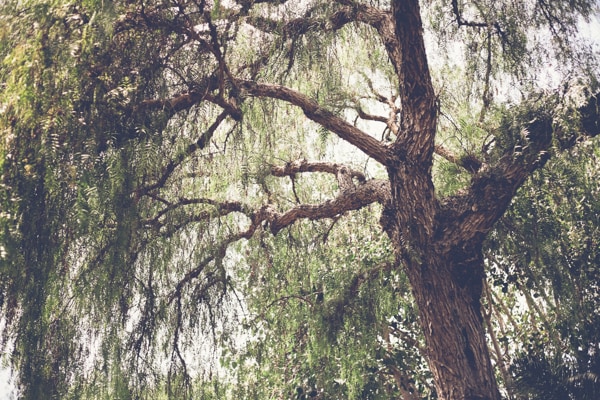
- California pepper tree: Every 2-3 years
- Coast live oak: Every 3-5 years, depending on health
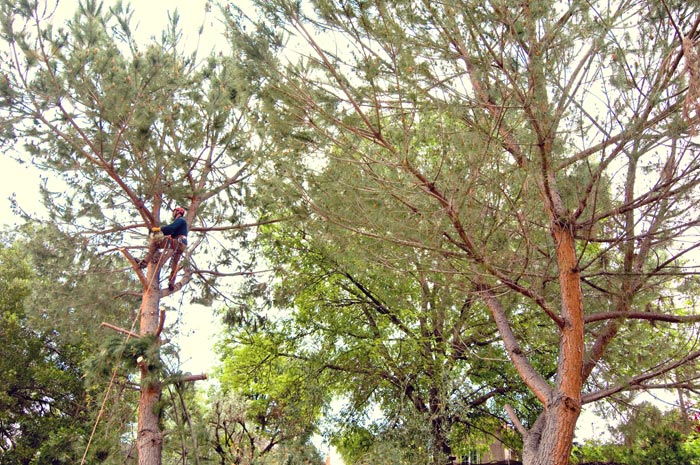
- Canary Island pine: Every 3-5 years
- Palms: Usually once each year, depending on species
These are only general guidelines. Every property is different, and a certified arborist can recommend the right maintenance schedule based on your tree’s condition and your property’s needs.
Choosing the Right Tree Trimming Company
Not every tree trimming company provides the same level of expertise. While many companies can remove branches, proper pruning requires an understanding of tree biology, growth patterns, and structural integrity. That’s why sometimes choosing the lowest bid can lead to excessive pruning and improper cuts.
When hiring a contractor, ask whether they’re licensed, insured, and experienced with the types of trees you have on your property. A reputable company should also be able to explain why certain branches are being removed instead of simply cutting everything back. Good communication is usually a sign that the crew is focused on long-term tree health rather than completing the job as quickly as possible.
It’s also worth asking whether the company employs or works with certified arborists. Any person with a chainsaw can call themselves an arborist, but a certified arborist is a lot more than that. Someone who has this level of certification is trained to identify developing structural problems, insect activity, or disease that may not be obvious during a routine trimming appointment. Catching those issues early can save you significant money while helping preserve valuable mature trees.
Why San Diego Property Owners Trust LC Tree Service
At LC Tree Service, we’ve spent years helping homeowners, HOAs, commercial property managers, and municipalities maintain safe, healthy, and beautiful trees throughout San Diego County. We understand how local weather, drought conditions, and our region’s unique tree species affect long-term tree health because we work with them every day.
Our team doesn’t believe in unnecessary trimming or one-size-fits-all recommendations. Instead, we evaluate each tree individually and recommend only the work that’s needed to improve safety, encourage healthy growth, and preserve the tree’s natural beauty. Whether you’re maintaining a single shade tree or managing hundreds of trees across multiple properties, our goal is to provide honest recommendations and quality workmanship.
Because we’re fully licensed and insured, you can feel confident that your property is in experienced hands. We also take pride in showing up on time, communicating clearly, and leaving every job site clean. Those simple things have helped us build long-lasting relationships with property owners and companies across San Diego.
If you’re unsure whether your trees need trimming, we’re happy to provide a professional evaluation. Sometimes a tree only needs a few carefully placed pruning cuts. Other times, catching a developing problem early can prevent a much larger issue later.