A San Diego Resident’s Guide to Understanding Why a Tree is Browning
You walk outside one morning and notice something that wasn’t there a few weeks ago. The right green leaves that once made your tree look healthy are suddenly turning brown. Maybe it’s happening on one branch, or perhaps the entire canopy is beginning to fade.
Naturally, your first thought is “Is my tree dying?”
The good news is that brown leaves don’t always mean your tree is beyond saving. In many cases, a dying tree can recover if the underlying problem is identified early. However, waiting too long can turn a minor issue into a major one.
As San Diego Certified Arborists, we’ve inspected thousands of trees throughout the county. Some only needed a little extra care, while others required immediate attention to prevent dangerous failure. The key is understanding why your tree is turning brown before the damage becomes permanent.
In this guide, we’ll explain the most common reasons trees turn brown in San Diego, how to tell if you have a sick tree, and when it’s time to call a professional.
Some San Diego Trees Naturally Turn Brown Every Year
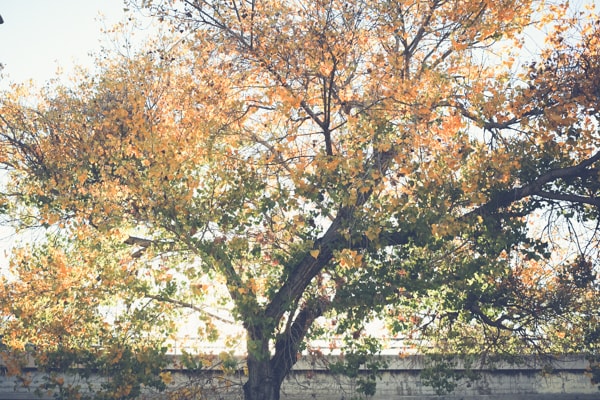
Not every tree that turns brown is a sick or dying tree. Many of the trees that call San Diego home are deciduous, which means they naturally lose their leaves each year when they go dormant. As temperatures cool and daylight decreases in late fall and winter, these trees stop producing chlorophyll, causing their leaves to change color, turn brown, and eventually fall.
This often surprises people who are new to Southern California. Because San Diego has a mild climate, it’s easy to assume every tree should stay green year-round. However, seasonal leaf drop is completely normal for many species and is not a sign of a sick tree.
Some of the most common deciduous trees found in San Diego include:
- Chinese elm
- liquid amber
- California sycamore
- Fremont cottonwood
- crape myrtle
- Modesto ash
- ornamental pear
- many fruit trees
The timing is what matters most. If your deciduous tree begins turning brown and dropping leaves during late fall or winter, it’s usually following its normal annual cycle. However, if it starts browning in the middle of summer or much earlier than expected, it may be suffering from drought stress, pests, disease, or another problem. This is why early diagnosis matters. The sooner you understand what’s happening, the better chance your tree has of making a full recovery.
San Diego’s Climate Has Its Challenges
San Diego is naturally a dry environment. In fact, much of the county’s native landscape is coastal sage scrub and chaparral, made up of low-growing shrubs and hardy plants that have adapted to survive on very little rainfall. Large, lush forests simply aren’t part of Southern California’s natural ecosystem.
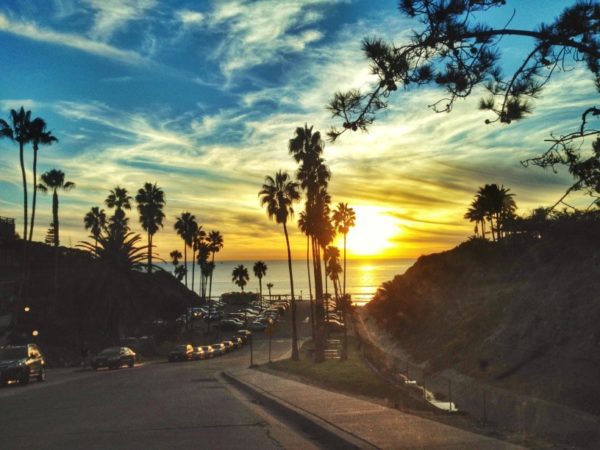
Because of that, many of the trees growing in our neighborhoods aren’t actually native to the area. Popular species like Chinese elms, pine, jacarandas, eucalyptus, liquidamabars, and most palm species were introduced from other parts of the world. While these trees can thrive here with proper care, they often require more water and maintenance than the native landscape would naturally provide.
Additionally, long, dry summers, inconsistent rainfall, compacted soil, coastal salt, and periodic heat waves place constant stress on these non-native trees. Urban landscapes can make matters even more challenging. Decorative rock, artificial turf, concrete, and excessive pruning all affect how trees absorb water and nutrients.
As a result, even mature trees that have looked healthy for decades can suddenly become sick trees when environmental stress reaches a tipping point. Understanding San Diego’s unique climate is one of the reasons working with a San Diego certified arborist is so valuable. Knowing how local conditions affect different tree species allows problems to be identified early—often before a dying tree reaches the point where removal is necessary.
Underwatering Is The Most Common Cause of Browning Trees
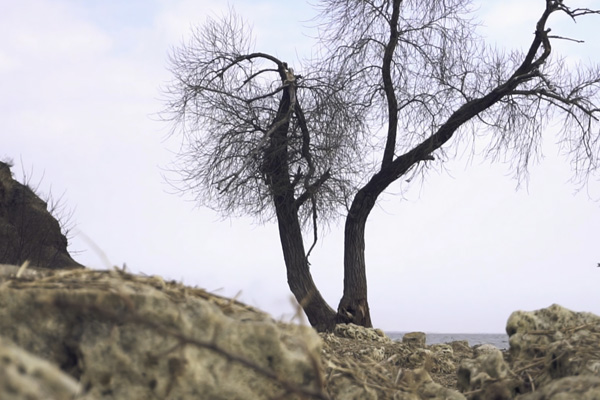
Without question, underwatering is one of the biggest reasons San Diego residents call us. Younger trees need time to develop large, deep root systems. Therefore, they rely heavily on consistent watering during their first few years in the ground.
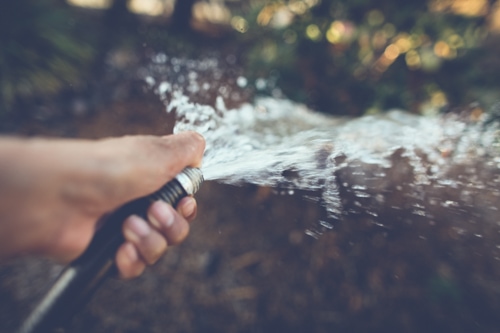
Many people assume that occasional irrigation or a quick spray with the hose is enough. Unfortunately, young trees often need slow, deep watering to encourage roots to grow downward instead of staying near the surface. Without enough moisture, the leaves begin turning brown around the edges, growth slows, and the tree quickly starts showing signs of stress.
San Diego’s long, dry summers make this challenge even greater. A tree that would receive regular rainfall in another part of the country may struggle here without supplemental irrigation. Consequently, a young sick tree can decline surprisingly fast during periods of hot weather if its watering schedule isn’t adequate.
The good news is that underwatering is one of the easiest problems to correct when caught early. With proper irrigation and guidance from a San Diego certified arborist, many young trees recover completely and go on to develop strong, healthy root systems for years to come.
Surprisingly, Too Much Water Can Also Cause Problems
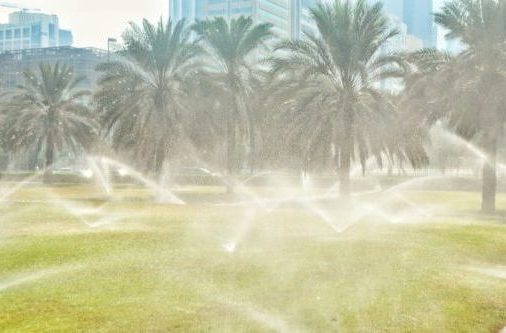
Although drought receives most of the attention, overwatering can be just as harmful to a tree. In fact, watering too often is a common mistake, especially with young trees.
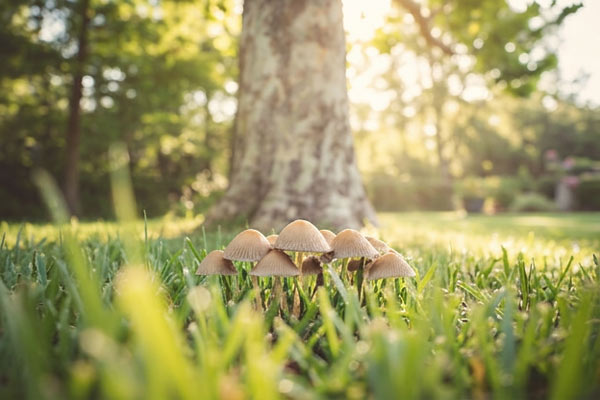
Tree roots need oxygen just as much as they need moisture. When soil remains constantly wet, roots begin to suffocate. Eventually, fungi can invade the weakened root system, leading to root rot and other problems that may turn a healthy tree into a sick tree.
Before reaching for the hose, try a quick soil check. Push a screwdriver, garden trowel, or even your finger a few inches into the soil near the tree’s root zone. If the soil feels cool and moist, your tree probably doesn’t need more water yet. If it’s dry several inches below the surface, it’s likely time for a deep watering.
Unfortunately, the symptoms of overwatering often look almost identical to underwatering. Leaves may wilt, turn yellow or brown, and begin dropping prematurely. That’s why simply watering more isn’t always the solution. For further help, a San Diego certified arborist can determine whether your browning tree is receiving too much, too little water, or if an entirely different issue is causing the problem.
Root Damage Can Cause Rapid Browning
Roots are the foundation of every healthy tree. Even if the canopy looks beautiful, damaged roots can slowly kill a tree from below. This is because when roots are compromised, the tree loses its ability to absorb water and nutrients effectively.
It’s also important to understand that not all roots serve the same purpose. Large structural roots anchor the tree and provide stability, while smaller feeder roots are responsible for absorbing water and nutrients. Damage to feeder roots can quickly affect the tree’s health, but losing major structural roots can create both health issues and serious safety risks.
Construction projects frequently damage root systems throughout San Diego. Installing pools, patios, driveways, walkways, retaining walls, irrigation lines, or utilities often severs critical roots.
Unfortunately, sometimes people don’t realize the damage occurred until months later. Then the leaves suddenly begin turning brown seemingly overnight. If your tree changed shortly after landscaping or construction work, root injury could be the cause.
Heat Stress Can Burn Healthy Leaves
San Diego occasionally experiences intense heat waves that push trees beyond their comfort zone. During these periods, temperatures can rise quickly and remain high for extended periods of time. This creates significant stress, especially for trees that are already struggling or do not have a deep root system.
During periods of extreme temperatures, trees lose water faster than their roots can replace it. Consequently, leaves begin drying out around the edges before eventually turning completely brown. This type of damage can appear suddenly and spread quickly across the canopy.
Young trees are especially vulnerable because their root systems haven’t fully developed. Fortunately, heat stress usually affects the leaves first. If caught early, many trees recover once temperatures cool and proper watering resumes.
Pests Often Attack Stressed Trees
Healthy trees naturally defend themselves against insects and other pests. However, when a tree becomes stressed, its defenses are weakened, making it an easy target.
Various boring insects tunnel beneath bark, interrupting the movement of water and nutrients. Meanwhile, aphids, scales, mites, and other pests weaken foliage over time. Eventually, entire branches begin turning brown.
One important thing to remember is that insects are often a symptom rather than the original problem. Many pests choose trees that are already stressed by drought, disease, or poor growing conditions. Therefore, addressing the underlying issue is just as important as treating the pests themselves.
Diseases Can Turn a Sick Tree Brown
Fungal and bacterial diseases are another major reason trees lose their healthy appearance. These diseases can affect different parts of the tree dependin gon the pathogen involved. And without treatment, they can spread and cause significant damage to the tree.
Diseases attack leaves, branches, trunks, or roots depending on the pathogen involved. As infections spread, leaves become spotted, wilted, yellow, or brown. In some cases, entire sections of the tree may begin to decline.
In San Diego, we commonly inspect trees suffering from fungal cankers, root diseases, anthracnose, and other stress-related infections. Some diseases progress slowly over several years, while others spread rapidly under certain conditions. Fortunately, many diseases can be managed when caught early by a professional.
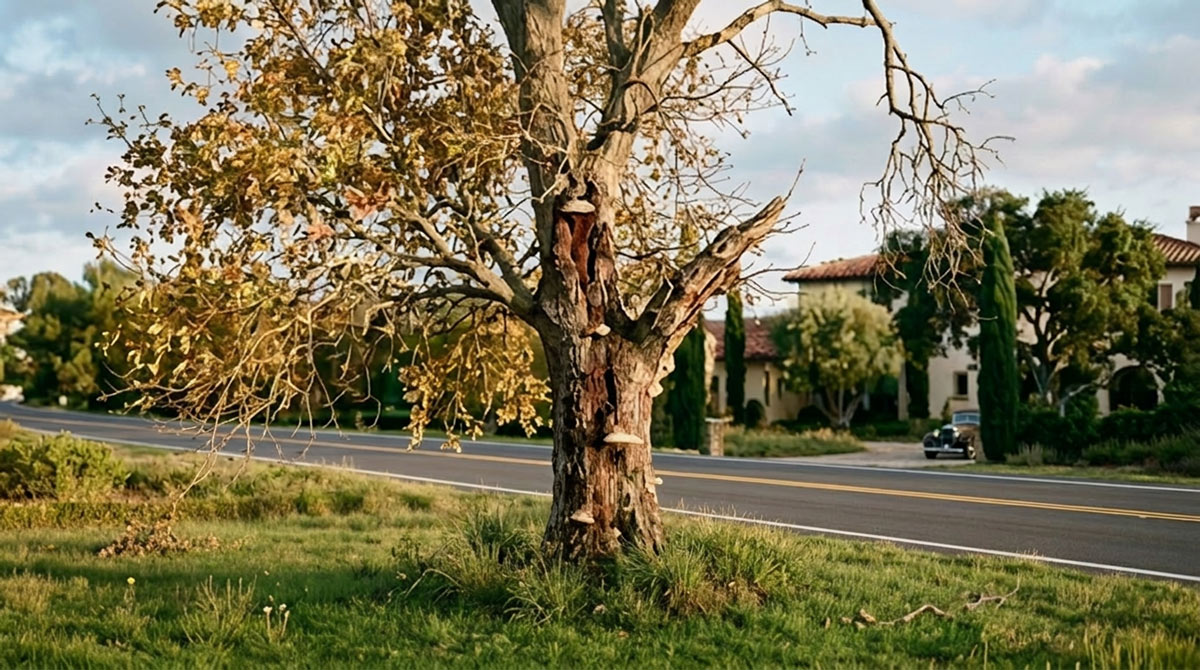
Soil Problems Often Go Unnoticed
Many people focus on watering but rarely think about the condition of their soil. Unfortunately, unhealthy soil creates unhealthy trees, even if everything above ground appears normal at first. But soil plays a critical role in supporting root health and overall tree vitality, so it’s wise not to overlook it.
Not only does a lack of nutrients in the soil affect tree health, but compacted soil prevents oxygen from reaching roots. This is equally damaging because it limits their ability to function properly. Poor drainage encourages disease, while nutrient deficiencies reduce growth and weaken the tree. High soil salts can even burn roots over time, causing long-term damage.
Because these issues happen underground, property owners and managers often don’t notice them until the canopy starts turning brown. By the time symptoms appear, the problem may already be advanced. That being the case, improving soil health will likely restore tree vigor and help avoid tree removal.
Improper Trimming Can Lead To a Dying Tree
Tree trimming is necessary to maintain the structure and health, but incorrect pruning can create significant stress. Some tree species are handle a heavy trim; some not so much. Removing too much foliage at once can put a tree into immediate stress. It also reduces the tree’s ability to produce energy through photosynthesis. This weakens the already-stressed tree and slows its recovery.
Additionally, improper cuts create openings where insects and diseases can enter. These wounds may not heal properly, leading to long-term structural issues. Over time, this can contribute to decline and browning.
We’ve also seen trees topped by inexperienced tree trimmers, which is especially harmful. Although topping may temporarily reduce height, it severely weakens the tree and leads to poor growth. And within a few years, the canopy often becomes sparse and unsuitable, with large sections beginning to die back.
This is why it is so important to hire a certified arborist who understands the different trimming limitations of different palms and tree species in San Diego.
Brown Needles on Pine Tree Require Special Attention
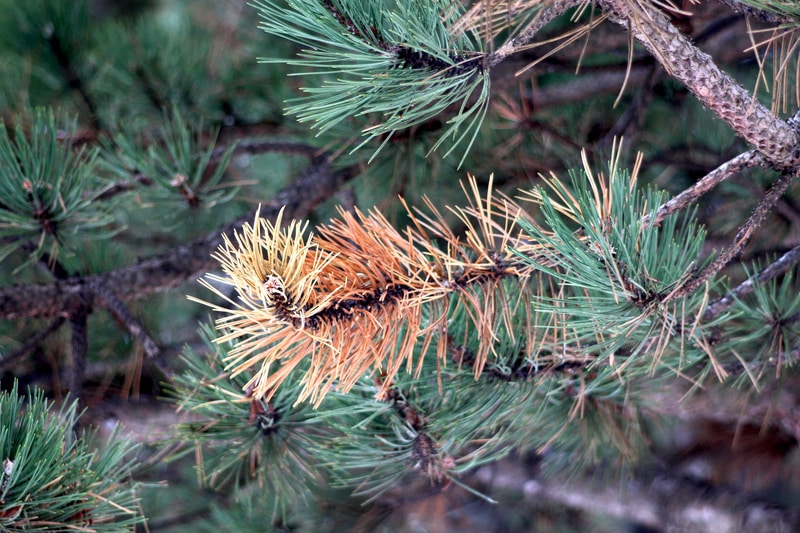
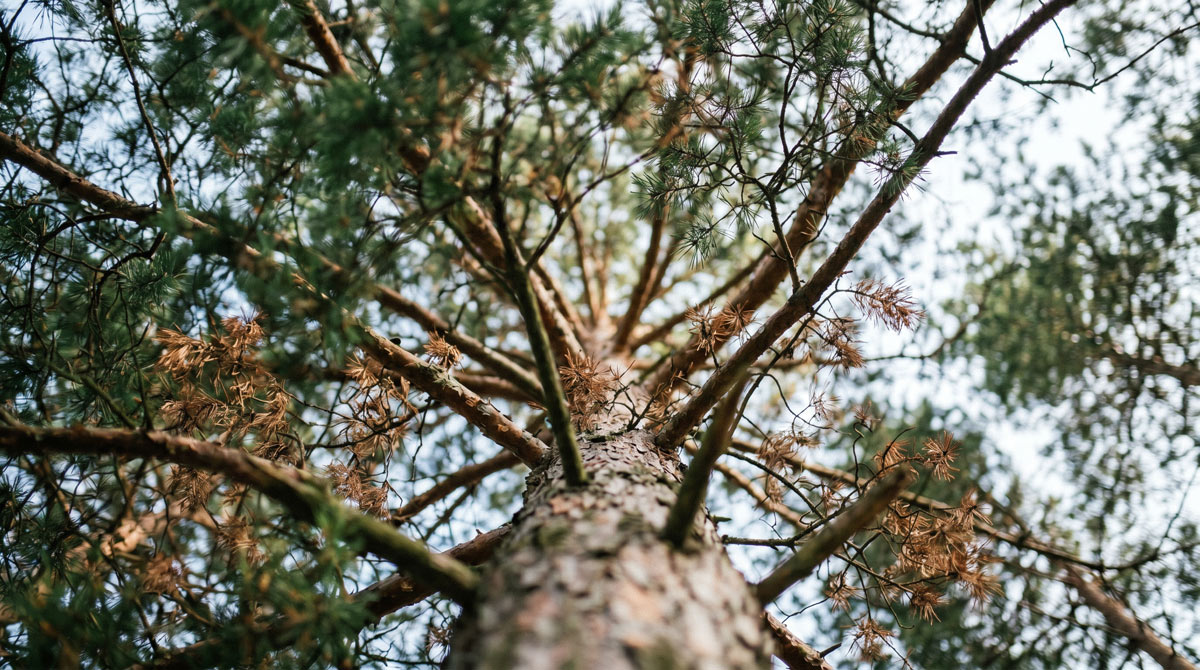
If you own a pine tree, don’t immediately assume the worst when you see brown needles. Pines naturally shed older interior needles every year as part of their normal growth cycle. Therefore, some browning deep inside the canopy is completely normal.
However, browning at the tips of branches usually signals a problem that needs attention. This type of damage often indicates stress or disease affecting the tree. To avoid complete decline, it’s important to monitor these changes closely.
Drought, bark beetles, diseases, or root issues could all be responsible for the decline. Early inspection by a certified arborist is especially important because pine trees can deteriorate quickly once serious problems develop. But acting early can make a significant difference in saving the tree.
Palms Turn Brown for Different Reasons
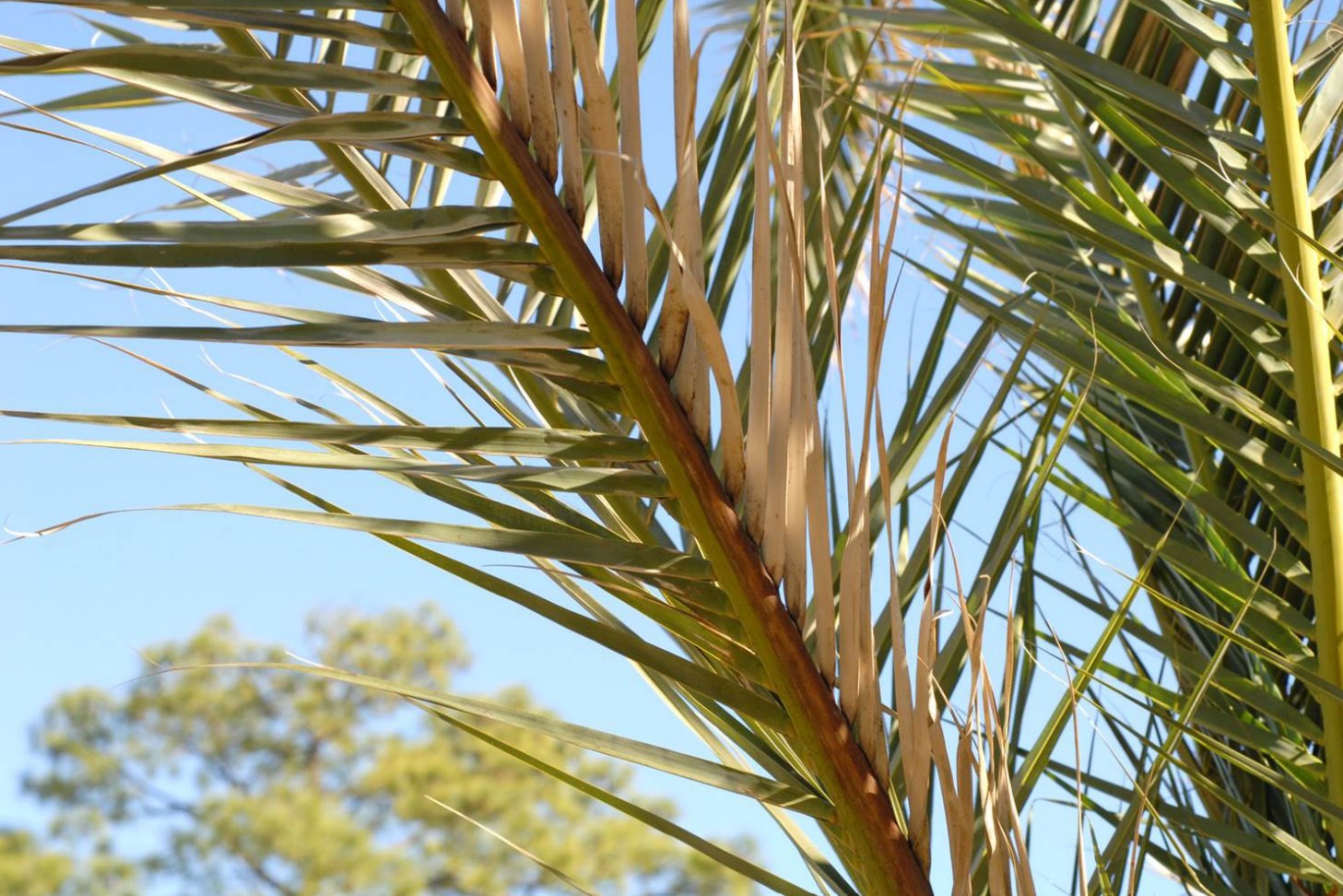
Palms follow different rules than traditional shade trees, which can make diagnosis confusing. Older fronds naturally brown and die as new ones emerge, and this process is completely normal. This is why a regular palm trimming schedule helps keep them looking healthy.
However, certain signs indicate a more serious issue. If the spear leaf turns brown, multiple upper fronds die at the same time, or one side of the frond is brown, immediate inspection is recommended. These symptoms often point to underlying problems, such as a lethal fungal or pest infestation.
Sadly, in San Diego, diseases and pests are drastically threatening our city’s palm population. For example, the fungal disease, Fusarium wilt, has no legal treatment that is allowed to be administered in California. Therefore, if a palm catches this spreadable disease, it is an unfortunate death sentence.
Another common reason palms are dying in San Diego is due to the invasion of the South American palm weevil, which primarily targets Canary Island date palms. However, if caught early, the palm still stands a chance of survival.
Can a Browning Tree Be Saved?
This is one of the most common questions people ask when they notice changes in their trees. The answer depends largely on the cause of the decline and how early it is addressed. Not all trees can be saved, but many can recover with proper care.
If drought stress, irrigation problems, nutrient deficiencies, or minor pest issues are responsible, recovery is often possible. Trees are remarkably resilient when given the right conditions and support. Therefore, early intervention greatly improves the chances of success.
However, severe root loss, advanced decay, or widespread disease or infestation may make preservation impossible. In these cases, removal may be the safest option. That’s why accurate diagnosis by a professional matters far more than guessing or delaying action.
Tree Preservation Always Comes First
At LC Tree Service, we believe healthy trees add tremendous value to San Diego properties. They provide shade, improve property value, reduce energy costs, and create beautiful outdoor spaces. So we believe that trees are an investment worth protecting.
Because of that, preservation is always our first priority when evaluating a tree. Whenever a sick tree can be safely restored, we’ll recommend treatment instead of removal—because our goal is to extend the life of your tree whenever possible.
Only after a thorough inspection will we advise removal if the tree has become hazardous or cannot reasonably recover. Our recommendations are always honest, practical, and based on what’s best for both your property and your budget.

Why San Diego Property Owners and Managers Choose LC Tree Service
Choosing a tree company isn’t just about finding someone with a chainsaw, and it shouldn’t be about who gives you the lowest price. Instead, it’s about trusting professionals who understand tree biology, safety, and long-term tree health. Experience and knowledge make a significant difference in the outcome.
At LC Tree Service, our team includes Certified Arborists who are committed to protecting San Diego’s urban forest. Every recommendation begins with a careful inspection because we believe the people deserve clear answers. We focus on education, not sales pressure.
Whether your tree needs pruning, disease treatment, structural support, or removal, we approach every job with care. Our mission is always the same: preserve healthy trees whenever possible and provide the safest solution when preservation is no longer an option.