If you’ve ever searched for San Diego tree trimming services, you’ve probably noticed one thing right away—it’s almost impossible to find a straightforward answer about pricing. One company advertises low starting prices, another says every job is different, and some never even mention cost until they visit your property.
The truth is, they’re not trying to be secretive. Unlike many home services, tree trimming isn’t something that comes with a standard price tag. Every tree is different, every property has unique challenges, and every customer’s goals vary. A small ornamental tree in a front yard takes far less time and equipment than a towering eucalyptus hanging over a home next to electrical lines.
At LC Tree Service, one of the most common questions we hear is, “How much is this going to cost?” It’s a fair question, and as property owners ourselves, we understand why people ask. Whether you’re budgeting for routine maintenance or planning improvements across multiple commercial properties, knowing what affects pricing helps you make informed decisions.
In this guide, we’ll explain what goes into the cost of professional tree trimming, why estimates can vary so much, and how to get the best value for your investment. More importantly, we’ll help you understand why choosing the right company often saves money in the long run.

Why There Isn’t One Standard Price
If every tree looked the same, tree trimming would be much easier to price. Unfortunately, trees are living organisms that require maintenance. Two trees that appear similar from the street can require completely different amounts of work.
For example, one mature Chinese elm may only need a light canopy cleaning because it’s been professionally maintained every few years. Another elm of the same size may need extensive corrective pruning because the last time it was trimmed was over a decade ago. Even though both trees occupy the same amount of space, the labor involved differs dramatically.
Location also plays a major role. A tree growing in the middle of an open yard is much easier to access than one squeezed between a house, swimming pool, retaining wall, and power lines. The additional planning, specialized equipment, and safety precautions all affect the amount of time required to complete the work.
That’s why reputable San Diego tree trimming companies prefer to evaluate each tree individually. An accurate estimate isn’t just about the size of the tree—it’s about understanding everything required to perform the work safely and correctly.
The Biggest Factors That Affect Tree Trimming Cost
Many people assume the height of a tree is the only variable that determines the price of tree trimming. While size certainly matters, it is only one part of the overall estimate. Professional tree trimming prices are based on several factors, including the amount of labor, equipment, time, and expertise the job requires.
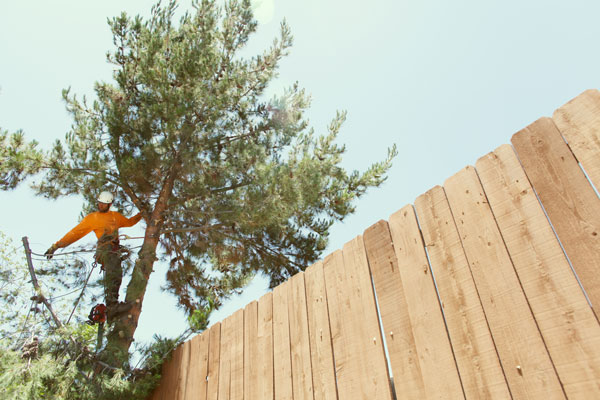
The tree’s condition, location, and accessibility can also have a huge impact on cost. A healthy tree in an open yard may be fairly simple to trim, while a tree growing near a house, power line, fence, or pool may require additional equipment and careful rigging. The type of pruning needed also matters, since light maintenance is much different from extensive structural pruning or removing large, heavy branches.
These factors explain why two homeowners with similar-sized trees may receive very different estimates. An experienced arborist looks at the entire job, not just the height of the tree, to determine what will be required to complete the work safely and properly. Now let’s look at the factors that have the greatest impact on tree trimming pricing.

1.
Tree Size
Not surprisingly, larger trees generally cost more to trim than smaller ones. Taller trees require additional climbing, more safety equipment, longer cleanup times, and often a larger crew. Every extra foot of height increases both the complexity and the time required to complete the job safely.
Large trees also produce significantly more debris. What may take thirty minutes to clean up after pruning a small ornamental tree could take several hours when trimming a mature shade tree. Disposal costs, hauling, and wood chipping all become larger parts of the project as tree size increases.
However, size alone doesn’t determine the final cost. Some larger trees that have been routinely maintained can actually be simpler to trim than smaller trees with years of neglected growth. That’s why experienced arborists evaluate much more than just height before preparing an estimate.
2.
Tree Species
Different tree species grow in very different ways, and that directly affects the amount of work required to trim them. Some trees naturally develop strong branch structure with minimal maintenance, while others grow quickly and require frequent pruning to stay healthy and safe.
Fast-growing species common throughout San Diego, such as tipu trees, ficus, and Chinese elms, often require more regular maintenance because they produce dense canopies and long, heavy branches. These trees can quickly become overgrown if they aren’t trimmed on a consistent schedule.
On the other hand, slower-growing species like coast live oaks typically require less frequent pruning. When they do need trimming, the work often requires careful planning to preserve the tree’s natural structure and long-term health. Palm trees are another category entirely, with maintenance practices that differ significantly from traditional shade trees.
Choosing a company familiar with San Diego’s most common tree species helps ensure the work is done correctly. In addition, proper pruning techniques not only improve appearance but also reduce the likelihood of future structural problems.
3.
Accessibility
One factor many homeowners don’t think about is how easy it is to actually reach the tree. Accessibility significantly affects both labor and equipment requirements, making it one of the biggest variables in tree-trimming costs.
A tree growing in the middle of a large front yard may be relatively straightforward to trim. Crews can position equipment nearby, remove branches efficiently, and haul debris without major obstacles. As a result, the work can often be completed more quickly.
Compare that to a tree located behind a home with a narrow side-yard access, surrounded by landscaping, fences, patios, or swimming pools. In those situations, every branch may need to be carefully lowered using ropes instead of simply dropping into an open area. The additional time, planning, and precision naturally increase the overall cost of the project.
4.
The Condition of the Tree
The overall health and condition of your tree can have a significant impact on the cost of trimming. A healthy tree that has been maintained every few years is usually much easier to prune than one that has been neglected for a decade. When trees go too long without maintenance, they often develop heavy limbs, crossing branches, dead wood, and poor structure that require much more time to correct.
Storm damage, insect infestations, and disease can also increase the complexity of the job. A cracked limb hanging high in the canopy or a branch weakened by decay requires careful planning to remove safely. Instead of making routine pruning cuts, crews may need to use specialized rigging techniques to cut low branches without causing additional damage to the tree or your property.
The good news is that regular maintenance almost always costs less than corrective pruning. Keeping up with routine tree trimming helps your trees stay healthier while reducing the amount of work needed during future visits.
5.
Nearby Structures and Obstacles
Trees growing near overhead utility lines require extra caution and experience. While many homeowners assume every tree company can trim around power lines, specialized training may be required.
Even when branches aren’t directly touching power lines, crews often need to use specialized climbing techniques and carefully control every limb they remove. Safety becomes the top priority because a single mistake can have serious consequences.
Fortunately, many trees can be safely maintained before they become a utility problem. Scheduling routine trimming helps reduce the chance that branches will eventually interfere with power lines, potentially avoiding emergencies after high winds or storms.
If you’re unsure whether your tree poses a utility concern, it’s best to have it evaluated by a professional. A qualified arborist can determine the safest course of action and explain whether additional coordination is necessary.
6.
Equipment Needed
Every tree trimming job requires equipment, but not every job requires the same equipment. Smaller trees may only need hand pruners, pole saws, and climbing gear. Larger or more complicated projects often involve wood chippers, aerial lifts, skid steers, cranes, or specialized rigging systems.
Using the right equipment doesn’t just make the work faster; it also makes it safer. For example, an aerial lift may allow crews to reach difficult branches without climbing, while a crane can safely remove massive limbs growing over homes or commercial buildings. Although this equipment increases operating costs, it often reduces risk and helps complete the work more efficiently.
It’s important to remember that professional tree companies invest heavily in equipment maintenance and employee training. Those investments help ensure every job is completed safely while protecting both your property and the crew performing the work. When comparing estimates, consider the value of working with a company that arrives fully equipped for the job rather than trying to make do with inadequate tools.
7.
Cleanup and Debris Removal
Tree trimming doesn’t end when the last branch is cut. In fact, cleanup is often one of the most time-consuming parts of the project. Larger trees can generate an enormous amount of branches, leaves, and wood that must be chipped, hauled away, or processed before the job is truly complete.
Most professional tree trimming companies include cleanup as part of their service, but it’s always worth confirming exactly what’s included in the estimate. Some companies remove every piece of debris, rake the area thoroughly, and leave your property looking better than before. Others may charge separately for hauling away large amounts of material.
If you have multiple trees being trimmed at once, debris removal becomes an even larger part of the project. Fortunately, experienced crews work efficiently to keep the job site organized while minimizing disruption to your home or business.
At LC Tree Service, we believe cleanup is part of the job—not an afterthought. Our goal is for you to enjoy your newly trimmed trees without worrying about what’s left behind.
8.
Emergency Tree Trimming Costs More
Not every tree trimming project can wait for a convenient appointment. After severe winds or unexpected branch failures, emergency services may be necessary to protect people, homes, vehicles, or nearby structures. Because these situations often require immediate response, they typically cost more than scheduled maintenance.
Emergency work may involve after-hours service, additional crew members, temporary road closures, or specialized equipment that isn’t needed during routine trimming. Crews often work under more challenging conditions, carefully removing damaged limbs that are unstable or only partially supported.
The best way to avoid emergency tree work is through preventative maintenance. Trees that receive regular inspections and trimming are much less likely to develop hazardous conditions that require urgent attention. Of course, emergencies can’t always be prevented. When they do happen, working with an experienced tree service ensures the problem is handled safely and efficiently.

The Cheapest Estimate Isn’t Always the Best Value
When comparing estimates, it’s natural to focus on price. However, the lowest estimate isn’t always the best investment. Two companies may quote very different prices because they’re offering different levels of service.
A low bid may exclude cleanup, proper pruning techniques, insurance coverage, or experienced personnel. In some cases, companies cut corners by removing too much foliage, making improper pruning cuts, or topping trees to save time. While these shortcuts may reduce today’s invoice, they often create larger problems that cost far more to fix later.
Professional tree trimming should improve both the safety and long-term health of your trees. That’s why it’s important to choose a company based on experience, reputation, communication, and quality—not just the lowest number on the estimate.
At LC Tree Service, we believe our customers deserve honest recommendations and quality workmanship. Our goal isn’t simply to trim your trees today, but to help them remain healthy, attractive, and safe for many years to come.
What Does Tree Trimming Typically Cost?
By now, you’ve probably realized why it can be difficult to find an exact price for tree trimming online. Every tree is unique, and every property presents its own challenges. Still, most homeowners and property managers want a general idea of what they can expect before scheduling an estimate.
For smaller ornamental trees that only need light pruning, the cost is usually much lower than trimming a mature shade tree. Larger trees require more labor, additional safety measures, and significantly more cleanup, which naturally increases the price. Projects involving cranes, aerial lifts, or trees growing over homes and power lines also tend to cost more because of the added complexity.
Rather than focusing on an average price, it’s better to think about the value you’re receiving. A properly trimmed tree can remain healthier, safer, and more attractive for years. In many cases, investing in routine maintenance today helps you avoid much larger expenses in the future. The best way to understand the cost of your project is through an on-site evaluation. A reputable tree service can inspect your trees, discuss your goals, and provide a detailed estimate based on the actual work required—not a generic price pulled from a website.

The average cost of professional tree trimming for most standard jobs ranges from $200 for smaller trees to upwards $2,000 for large trees.
Tips for Getting the Best Value
Choosing the right tree isn’t just about finding the lowest estimate. The best value comes from hiring a company that performs quality work, communicates clearly, and helps protect the long-term health of your trees. A well-done pruning job should still be benefiting your trees years after the crew has left.
If you have several trees that need attention, consider scheduling them during the same visit. Combining multiple trees into one project is often more efficient than scheduling several separate appointments throughout the year. It also allows the crew to maximize their time on your property.
Another way to save money is by staying ahead of maintenance. Trees that are trimmed on a regular schedule usually require less labor than trees that have been neglected for years. Smaller pruning cuts are healthier for the tree, easier for the crew to make, and generally less expensive than major corrective pruning.
Finally, don’t hesitate to ask questions during your estimate. A reputable company should be happy to explain why certain branches are being removed, how the work will improve the tree, and what maintenance schedule they recommend for the future. An informed customer is far more likely to receive the results they’re hoping for.

Schedule Your Free Tree Trimming Estimate with LC Tree Service
If you’re looking for reliable, professional San Diego tree trimming, the team at LC Tree Service is here to help. We provide honest recommendations, expert workmanship, and exceptional customer service for homeowners, property managers, HOAs, and businesses throughout San Diego County.
Whether your trees need routine maintenance, corrective pruning, or an expert evaluation, we’ll take the time to explain your options and recommend the solution that’s right for your property. Contact LC Tree Service today to schedule your free estimate and discover why so many San Diego property owners trust us with their trees.