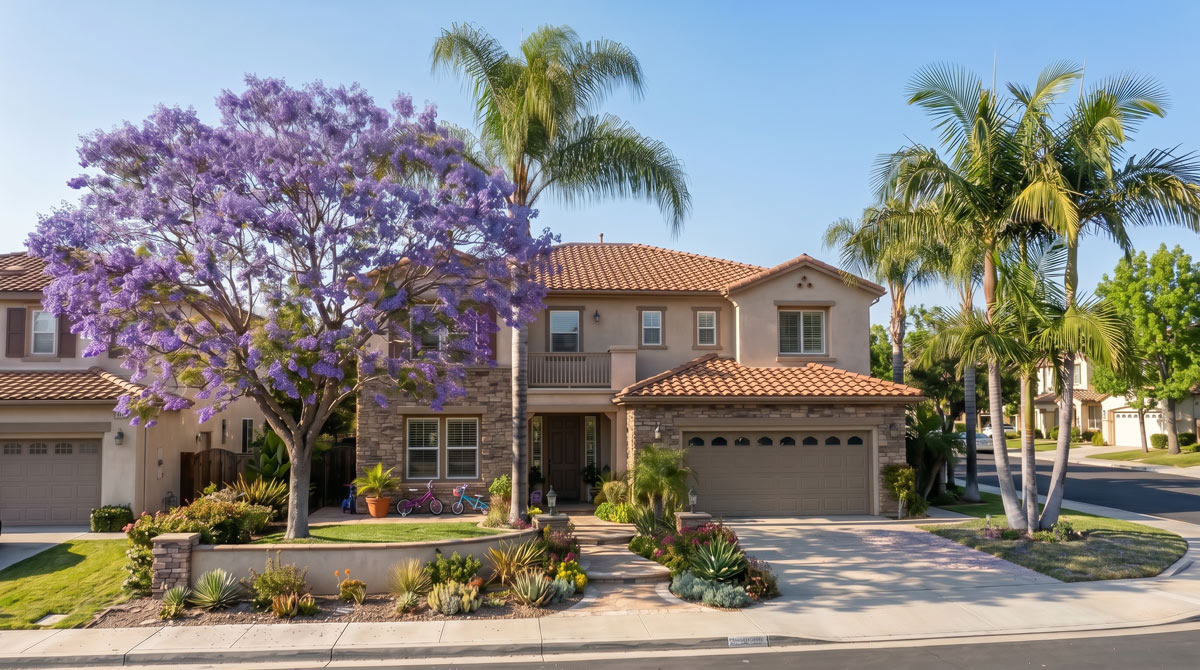
Trees are one of the most valuable features of any San Diego property. From sprawling coast live oaks and stately eucalyptus trees to elegant plums and productive fruit trees, a healthy tree canopy can dramatically enhance curb appeal, provide shade, and increase property value. However, beautiful trees do not stay healthy on their own. Just like any other part of your landscape, trees require regular maintenance to remain safe, attractive, and structurally sound.
We understand that sometimes homeowners want to save a few hundred dollars and attempt a DIY tree trimming project. While we always recommend you call a professional for large trees, when a tree is still young, DIY trimming is doable. Therefore, this simple guide is to help you understand a few basic principles that can go a long way toward helping you care for your trees responsibly.
Tree trimming is not simply about cutting branches to make a tree look neat. Proper pruning improves tree health, reduces safety risks, encourages strong growth, and helps prevent future problems.
Meanwhile, the unique climate and landscape of San Diego create specific challenges and opportunities for tree care. By learning when and how to trim your trees, you can help them thrive for years to come while protecting your property investment.
WHY TREE TRIMMING IS IMPORTANT
Healthy trees rarely happen by accident. Over time, branches can become overcrowded, damaged, diseased, or dangerously close to structures. And left unaddressed, these issues can affect the tree’s health and create hazards around your property.
Additionally, regular tree trimming encourages stronger branch development and improves airflow throughout the canopy. Better airflow helps reduce moisture buildup, which can contribute to fungal diseases and pest infestations. Increased sunlight penetration also benefits surrounding plants and grass.
Trimming helps maintain a tree’s natural beauty. A properly pruned tree often appears healthier, more balanced, and more attractive than one that has been neglected for years. And most importantly, routine trimming can reduce the likelihood of falling branches during storms or periods of high wind. While Southern California enjoys relatively mild weather, strong seasonal winds can still place significant stress on weakened limbs.
UNDERSTANDING SAN DIEGO’S COMMON TREE SPECIES
Before making any cuts, it is helpful to understand the most common trees found throughout San Diego. Different species respond differently to pruning, and what works well for one tree may not be appropriate for another. For example, pine trees have a trimming window where it’s safe to give them a little “haircut.” However, pruning them outside that timeframe will cause excessive “bleeding” or sap flow, which will, in turn, attract boring beetles
Similarly, eucalyptus trees are fast-growing and can develop heavy limbs over time. These trees are notorious for what’s called “sudden limb drop,” where, as the name implies, a tree limb suddenly drops with no previous signs of failure. Read our “The Eucalyptus—Friend or Foe” article for more information on this local tree. Because of their size and habits, regular maintenance is often necessary to reduce potential hazards and improve the structural stability of your eucalyptus.
Meanwhile, palms have entirely different pruning needs. Unlike traditional shade trees, palms primarily require the removal of dead fronds and seed pods. Different palms behave differently. Some require more maintenance, while others just need an occasional pruning. Read our article “Which Palm Is Right For Your San Diego Property?” for information.
Likewise, fruit trees depend on strategic seasonal pruning to encourage healthy fruit production and manageable growth. Proper timing is particularly important to encourage healthy fruit production and manageable growth. Trim them during fruiting season, and you get no fruit.
So, since all trees behave differently and respond differently to trimming, understanding your tree species is often the first step toward successful maintenance.
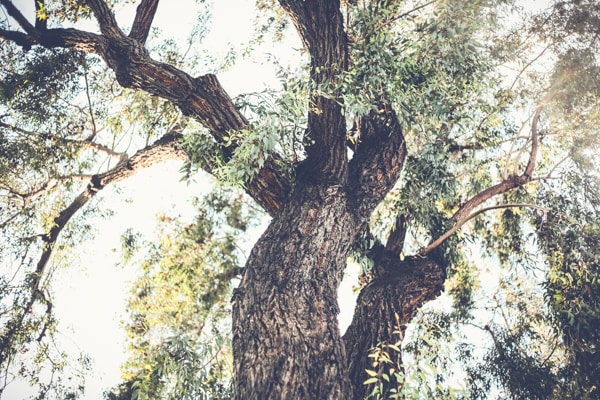
Eucalyptus trees, such as the ironbark eucalyptus, are a common sight in Rancho Santa Fe.
It is important to have them trimmed regularly to trim off potentially dangerous limbs.
THE BEST TIME TO TRIM TREES
Timing plays a major role in the effectiveness of tree trimming. Although some minor maintenance can be performed throughout the year, most trees benefit from pruning during dormant periods.
Generally, late winter and early spring are ideal times for many species. During dormancy, trees experience less stress and can recover more efficiently once the growing season begins. However, timing varies depending on the species. Oaks are often pruned during dormant months to reduce disease risks. Fruit trees are commonly trimmed during winter to encourage productive spring growth. Palms can typically be maintained whenever dead fronds appear. Eucalyptus trees may require attention before periods of high wind to minimize hazards.
At the same time, dead, broken, or dangerous branches should be removed as soon as they are discovered, regardless of the season. Safety concerns should always take priority over ideal pruning schedules.
CHOOSING THE RIGHT TOOLS
Successful tree trimming starts with proper equipment. Using the wrong tools can make the job more difficult and potentially harm the tree.
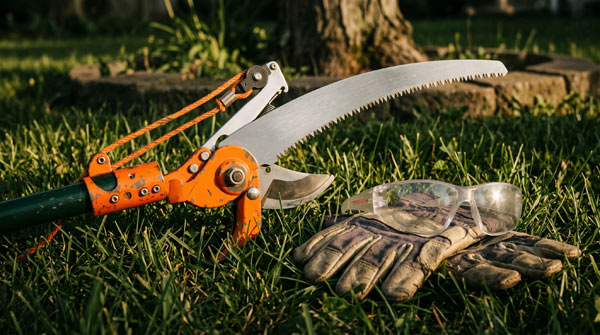
For smaller branches, hand pruners are often sufficient. These tools provide clean cuts and are ideal for routine maintenance. For medium-sized branches, loppers offer additional leverage and cutting power. When larger limbs need attention, a pruning saw is usually the better choice. Pruning was created to create cleaner cuts than many standard household saws and is specifically designed for tree work.
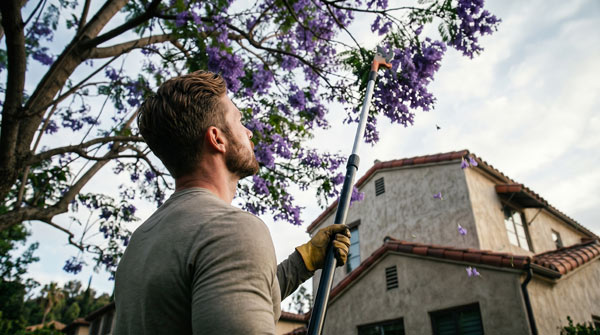
Meanwhile, pole pruners can help property owners reach higher branches without climbing. They provide extended reach while allowing you to remain safely on the ground.
Equally important is personal protective equipment. Safety glasses, sturdy gloves, durable footwear, and appropriate clothing can significantly reduce the risk of injury while trimming.
Keeping tools sharp and clean is also essential. Sharp blades create cleaner cuts that heal more quickly, while sanitized tools help prevent the spread of disease between trees.
BASIC TREE TRIMMING TECHNIQUES
One of the biggest mistakes beginners make is approaching pruning without a plan. Tree trimming should always serve a specific purpose and support the tree’s long-term health.
First, focus on removing dead, damaged, or diseased branches. These branches no longer contribute to the tree’s health and can become entry points for insects and pathogens. Eliminating them improves both appearance and safety.
Next, examine the tree for crossing branches. When limbs rub against one another, they create wounds that can lead to decay and disease. Removing one of the competing branches often improves the tree’s overall structure.
Afterward, consider selective canopy thinning. Thinning involves carefully removing certain interior branches to improve airflow and sunlight penetration. This process should be done conservatively to avoid excessive stress.
At the same time, it is important to maintain the tree’s natural shape. Every species has a characteristic growth pattern, and pruning should support rather than fight against that pattern.
Proper cuts are equally important. Branches should typically be removed just outside the branch collar, which is the slightly swollen area where the branch joins the trunk or a larger limb. Cutting too close can damage the tree, while leaving long stubs can invite decay.
SHAPE TREES WHILE THEY’RE YOUNG
Ever wonder why some trees are so perfectly shaped, and others look like a giant mess of bedhead? This is because some trees are shaped early on while they’re young, and some are left to grow wild.
One of the most valuable benefits of tree trimming is establishing a strong, well-balanced structure while a tree is still young. Early pruning helps direct how you want the tree to grow. If you want the tree to grow tall, trim the bottom limbs. Want the tree to have a round canopy? Visualize an oval over the canopy, and trim limbs outside of that perimeter.
Also, every part of a tree requires energy. Consequently, every time an unwanted limb is trimmed, more of the tree’s energy can go towards fueling the desired limbs and growing new ones. Removing small branches during a tree’s formative years is also much less stressful for the tree than removing large limbs later in life.
When trimming a tree, start by identifying a strong central leader, which serves as the main trunk for most tree species. Next, choose evenly spaced scaffold branches that will become the tree’s primary limbs. Then, remove branches that cross or rub together, grow inward toward the center of the canopy, or form narrow, weak branch angles that are more likely to split during storms. Also, trim competing leaders before they become large enough to create structural problems.
Remember that less is often more. Sometimes, it’s too easy to get carried away with trimming a tree. But you don’t want to have a “go big or go home” mentality. Young trees—or any trees for that matter—need plenty of healthy leaves to produce energy and fuel new growth. Overtrim your tree, and you could end up with a dead tree. Instead, make small, intentional pruning cuts each year as the tree develops.
COMMON TREE TRIMMING MISTAKES
Even well-intentioned property owners can accidentally damage their trees through improper pruning practices. One of the most damaging mistakes is tree topping. Topping involves removing larger portions of a tree’s upper canopy to reduce height. While this may seem like a quick solution, it often leads to weak regrowth, increased stress, and a greater risk of future branch failure.
Another common mistake is over-pruning. Removing too much foliage at once can severely stress a tree and reduce its ability to produce energy through photosynthesis. Trees rely on their leaves to survive, so excessive canopy removal can have long-lasting consequences.
Improper timing is also another issue that occurs with DIY tree trimming. Different species can’t be trimmed at just any time of the year. Doing so could cause unnecessary health issues later down the road.
Likewise, using dull tools creates rough cuts that heal slowly and increase the likelihood of infection. Clean cuts are far healthier for the tree.
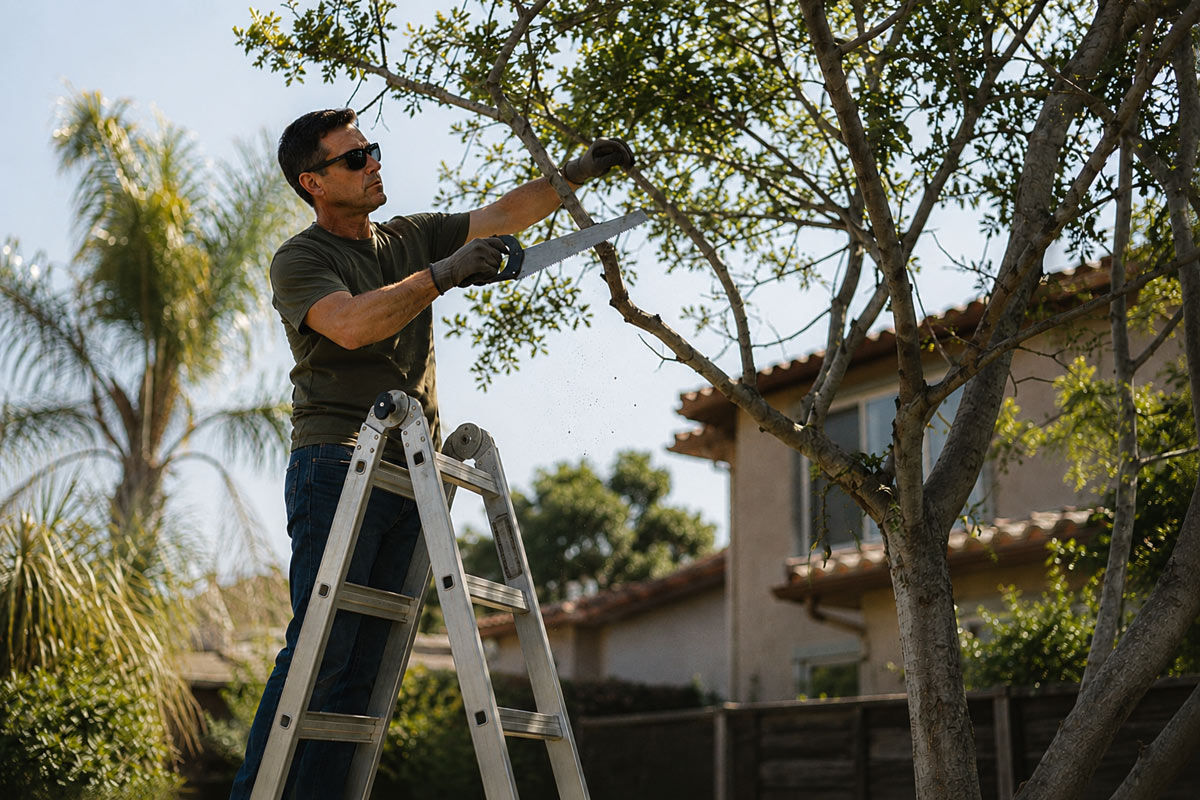
Many homeowners also underestimate the risk associated with ladders and elevated work. Attempting to reach high branches without proper equipment can quickly become dangerous. As one would expect, standing on a ladder on uneven ground with a sharp object is something our kindergarten teacher would have warned us not to do. And even worse, heavy falling limbs that can hit you or your ladder bring the danger level to one that should be avoided at all costs.
SAFETY SHOULD ALWAYS COME FIRST
Tree trimming may appear simple from the ground, but it can become hazardous very quickly. Even relatively small branches can cause serious injuries if they fall unexpectedly. Therefore, property owners should carefully assess each project before beginning. If branches are located near power lines, professional assistance is strongly recommended. Electricity and tree work are a dangerous combination that untrained individuals should never handle.
Similarly, windy weather can make trimming unpredictable and increase the risk of falling limbs. Waiting for calm conditions is always the safer choice.
Property owners should also avoid standing directly beneath branches that are being removed. Even small limbs can gain surprising momentum as they fall. If you choose to tackle trimming your own tree, always have a helper. Not only can they help with clearing debris, but having someone nearby can be invaluable if an emergency occurs.
Knowing your limits is perhaps the most important safety rule of all. If a project feels unsafe or beyond your skill level, there is no shame in calling a professional, such as LC Tree Service. Your safety is more important than saving some money.

HOW TREE TRIMMING PROTECTS PROPERTY VALUE
San Diego is filled with many beautiful homes and meticulously maintained landscapes. Mature trees are often a major part of that appeal.
However, neglected trees can negatively impact a property’s appearance and value. Dead limbs, overgrown canopies, and poorly maintained trees can create an impression of neglect that affects overall curb appeal.
In contrast, healthy trees contribute to a polished and well-maintained landscape. They provide shade, frame architectural features, and create inviting outdoor spaces.
Regular trimming also helps prevent costly damage to roofs, fences, driveways, and other structures. Addressing potential issues before they become serious problems can save significant money over time. For many property owners, tree maintenance is one of the smartest long-term investments they can make.
KNOWING WHEN TO CALL A PROFESSIONAL
While some pruning projects are small enough for homeowners, others require professional expertise and specialized equipment.
Large trees often present challenges that go far beyond basic trimming. Heavy limbs, elevated work areas, and structural concerns can create significant risks for inexperienced individuals.
Moreover, signs of disease or pest activity may require expert diagnosis. Professional arborists can identify underlying issues and recommend appropriate treatments before problems worsen.
Storm damage is another situation where professional assistance is often necessary. Broken limbs and partially failed branches can be unstable and unpredictable.
Many property owners searching for a dependable San Diego tree service look for professionals who understand local tree species and the unique environmental conditions found throughout San Diego County. Working with experienced specialists helps ensure that pruning is performed safely and correctly.
THE BENEFITS OF PROFESSIONAL TREE CARE
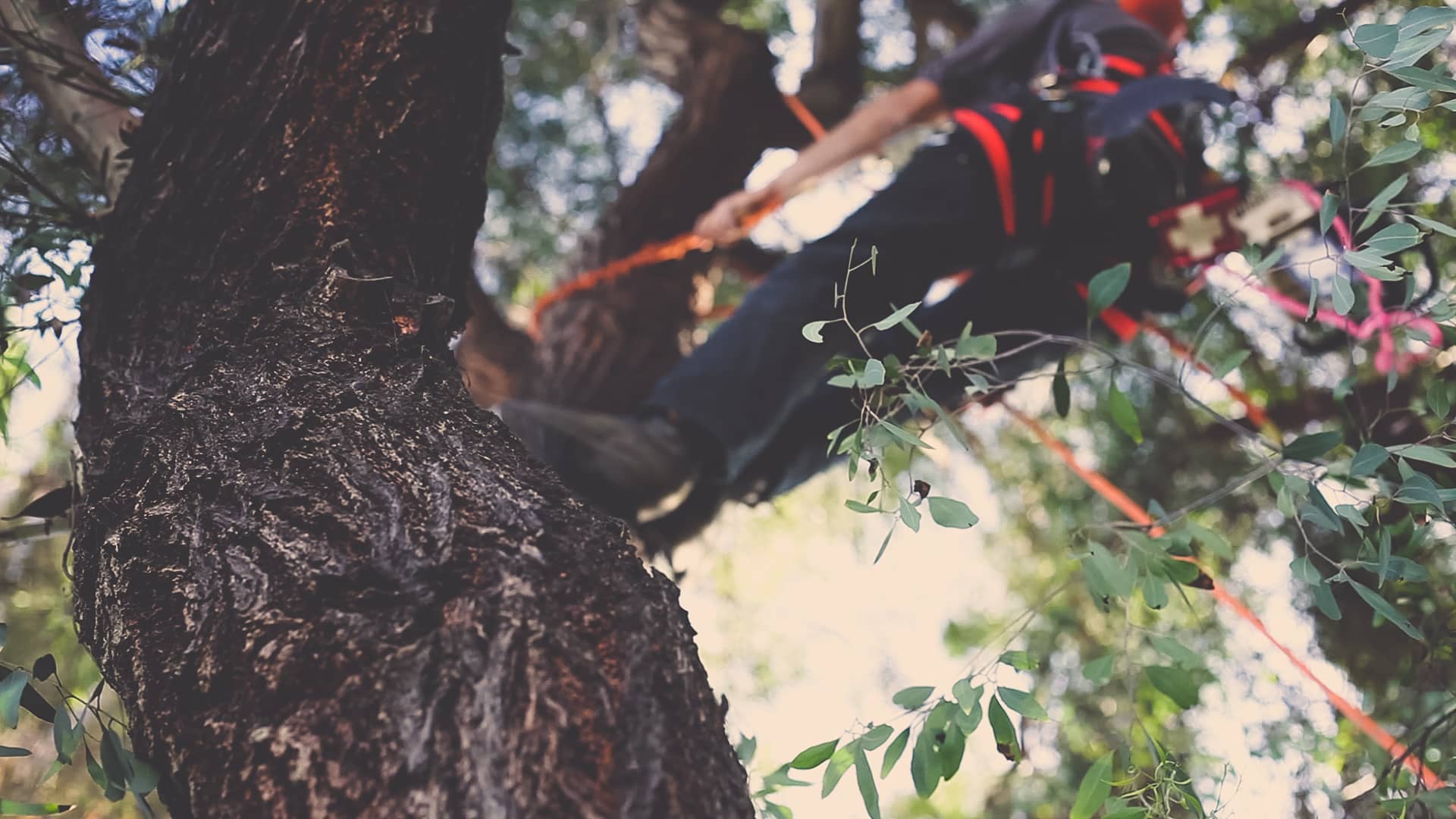
Professional tree care offers advantages that extend well beyond convenience. Certified arborists understand tree biology, growth patterns, and proper pruning techniques. As a result, our team can make decisions that support long-term health rather than simply removing branches. Their expertise often helps prevent issues that could otherwise go unnoticed.
Professional crews also have access to specialized equipment designed fr safe and efficient tree work. This equipment allows them to manage projects that would be difficult or dangerous for homeowners.
Additionally, trained professionals can spot early signs of disease, insect activity, structural weaknesses, and other concerns. Early intervention often prevents more expensive problems in the future.
Ultimately, professional tree care can help preserve the beauty, health, and value of your landscape for many years.
WHY CHOOSE LC TREE SERVICE
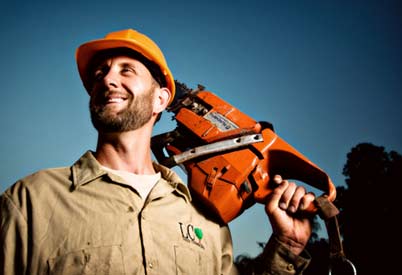
When your trees need professional attention, trust the experienced team at LC Tree Service. Whether you need routine pruning, tree removal, emergency storm cleanup, or expert tree health assessments, LC Tree proudly serves property owners throughout San Diego County.
Our highly-skilled team has the knowledge, equipment, and experience to keep your trees healthy, beautiful, and safe. Contact LC Tree Service today to schedule a consultation and discover how professional tree care can protect and enhance your property.