Living in Poway comes with a lot of perks. The city offers beautiful views, spacious properties, scenic hills, and mature trees that add shade and character to the landscape. Those trees help make Poway feel a little more connected to nature while remaining close to the rest of San Diego County.
However, as any homeowner eventually learns, trees can be a little like cars; they look great when they’re healthy, but they require regular maintenance to avoid expensive problems down the road.
Poway’s hot summers, dry climate, Santa Ana winds, and wildfire risks can put significant stress on trees throughout the year. As a result, a tree that appears perfectly healthy today may be quietly struggling with drought, disease, structural weakness, or root issues. Unfortunately, many homeowners don’t realize there is a problem until a branch crashes onto a roof, roots crack a driveway, or an entire tree begins to decline.
Fortunately, most major tree problems are preventable with routine maintenance and professional care.
At LC Tree Service, we regularly help homeowners identify and solve common tree problems throughout the area. Whether it involves trimming, removals, inspections, or long-term maintenance, professional Poway tree service can make a major difference in both safety and tree health.
So, what are the biggest tree problems homeowners face in Poway? Let’s take a closer look.

Drought Stress: The Silent Tree Killer
One of the most common problems affecting Poway trees is drought stress. If you noticed, San Diego’s natural landscape doesn’t include many tall trees. Instead, it’s primarily low-growing shrubs. There’s a reason for that—San Diego’s just too dry. So, for trees to do well, they require supplemental water. Because what tree wants to live off of San Diego’s annual 11 inches of rain?
At first, symptoms may be subtle. Leaves become smaller, canopies begin thinning, and branches start to die back. Additionally, some trees may drop leaves early or develop unusual discoloration. Over time, the entire tree becomes weaker and more vulnerable to insects, disease, and structural failure.
The challenge is that stressed trees often look “mostly okay” right up until they don’t. Consequently, many homeowners are caught off guard when a tree suddenly begins declining.
Certain tree species in Poway are more sensitive to extended dry periods. Furthermore, trees planted near sidewalks, driveways, or compacted soil areas may have even greater difficulty accessing water.
Proper watering practices are important; however, they’re only part of the solution. Regular inspections and strategic pruning can reduce stress, improve tree health, and help identify problems before they become severe. Ultimately, proactive maintenance is one of the most effective ways to help trees survive San Diego’s challenging climate.
Overgrown Trees Can Become Dangerous
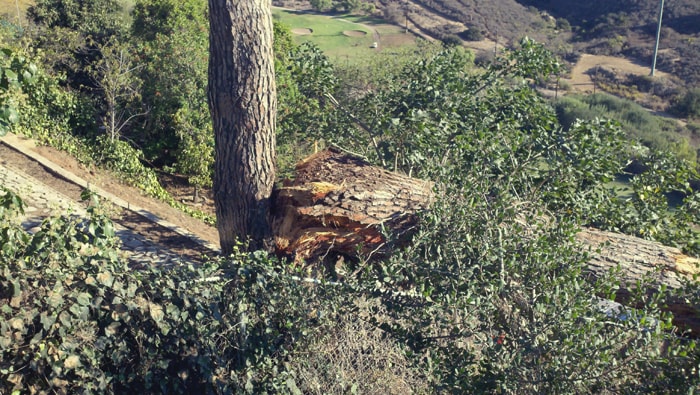
Many homeowners love large trees because they provide shade, privacy, and curb appeal. However, trees that go too long without trimming often become hazardous. Overgrown canopies place extra weight on major limbs, especially during wind events. Additionally, crowded branches reduce airflow throughout the tree, which may increase moistrue retention and create conditions for disease.
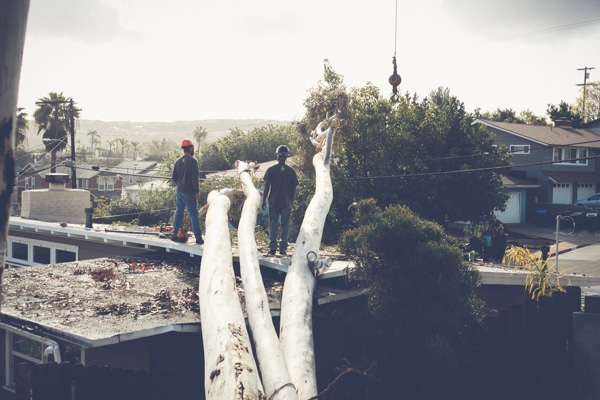
In Poway, eucalyptus trees are especially known for dropping large limbs unexpectedly. Sometimes branches fail during high winds. Other times, they fall on perfectly calm days simply because the weight became too much for the tree to support. Unfortunately, many homeowners do not notice these risks until a branch damages a roof, vehicle, fence, or patio.
Routine pruning helps reduce excess weight while improving tree structure and balance. Consequently, regular tree trimming is one of the best ways to prevent expensive property damage later.
Tree Roots Can Destroy Hardscapes
Roots are another major issue for Poway property owners. While trees above ground may look beautiful, underground root systems can quietly create serious problems over time. Large roots often lift sidewalks, crack driveways, damage retaining walls, and interfere with irrigation systems. In some situations, roots may even impact foundations or underground utilities.
Pepper trees, ficus trees, and certain eucalyptus species are particularly aggressive growers. Meanwhile, trees planted too close to structures often create problems as they mature. The challenge is that roots naturally spread in search of moisture and nutrients. Therefore, trees planted in limited spaces frequently push against nearby hardscape as they grow larger.
Early intervention is important because small root problems can quickly become major repairs if ignored. In some cases, root pruning or strategic tree trimming may help manage the situation. However, severely problematic trees may eventually require removal.
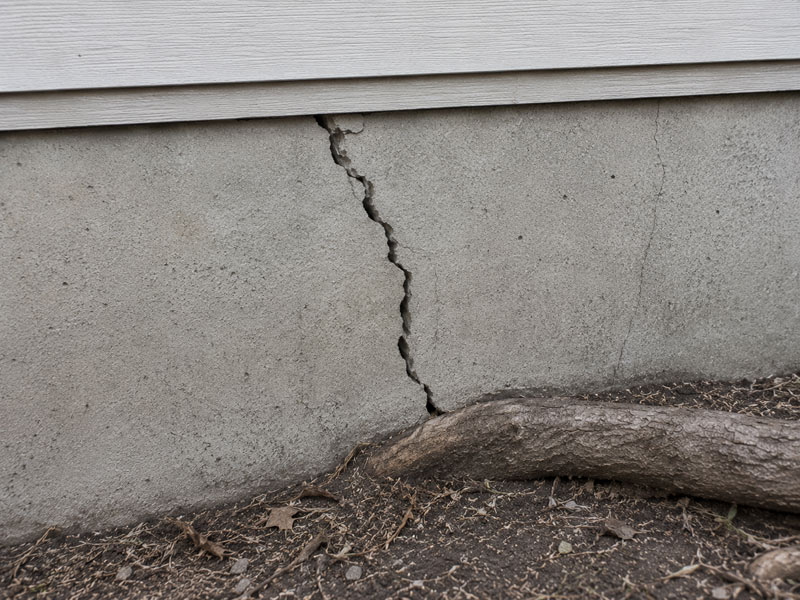
Trees planted too close to structures can lift hardscape and foundations.
Poor Pruning Can Create Bigger Problems
Believe it or not, one of the biggest threats to healthy trees is improper trimming. Many homeowners hire inexperienced workers or attempt DIY pruning without understanding proper techniques. Unfortunately, bad pruning can permanently damage a tree’s health and structure.
Tree topping is one of the most harmful practices still commonly seen throughout Southern California. This involves cutting large sections off the top of a tree in order to reduce height quickly. Although it may seem effective initially, topping often creates weak regrowth, structural instability, and increased stress.
Likewise, removing too much canopy at once can leave trees vulnerable to sunburn, disease, and decay. Improper cuts may also prevent wounds from healing correctly. Oak trees are especially sensitive to poor pruning practices. Since these trees are highly valuable in Poway, improper trimming can have long-term consequences for both property value and tree health.
Instead, proper tree trimming should improve structure, reduce hazards, and encourage healthy growth without overwhelming the tree. When done correctly, homeowners often notice healthier trees, better aesthetics, and fewer long-term issues.
Fire Hazards Continue to Grow
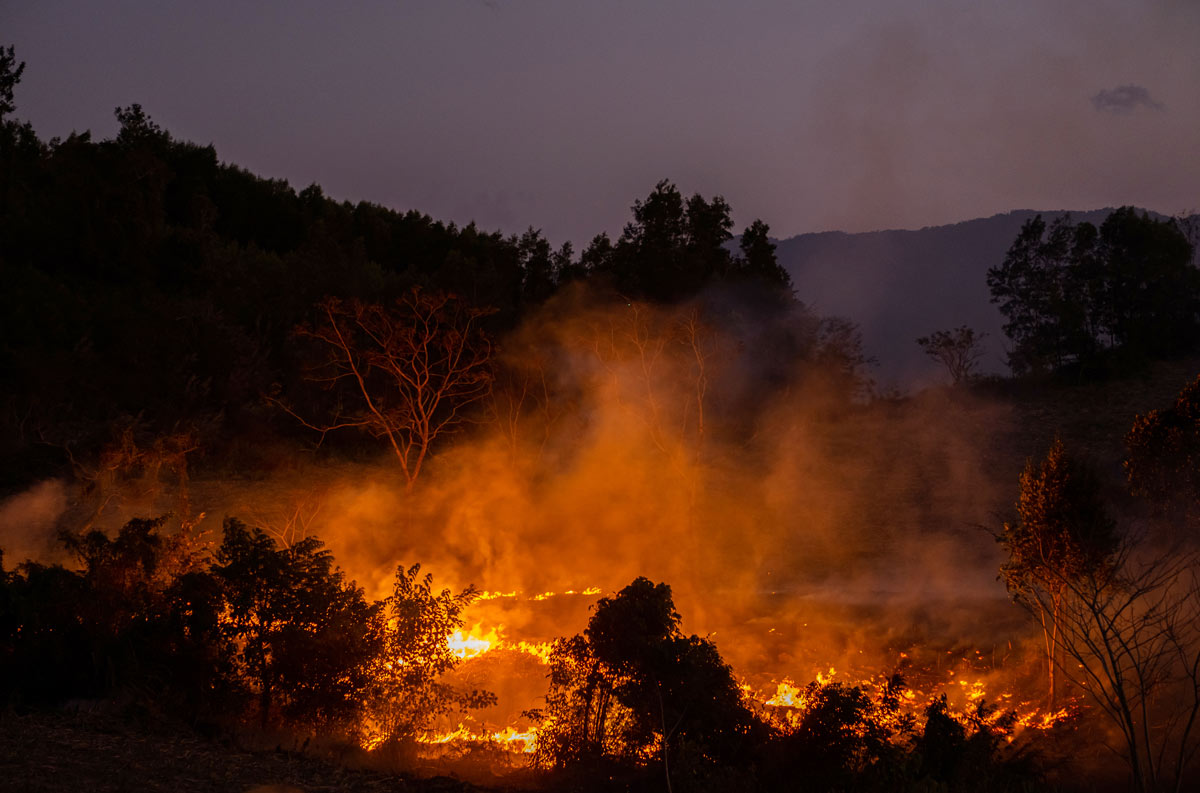
Living in Poway means enjoying beautiful open spaces and natural landscapes. However, it also means being aware of wildfire risks. Many neighborhoods border canyons, hillsides, and undeveloped areas. Consequently, vegetation management has become an important part of responsible property ownership.
Overgrown trees, dead limbs, dry brush, and dense canopies can all contribute to fire spread during hot and windy conditions. In fact, neglected trees often accumulate surprising amounts of combustible material over time. Dead palm fronds, dry eucalyptus bark, fallen leaves, and deadwood can quietly build up year after year. Meanwhile, homeowners may not realize how much fuel is sitting on their property until fire season arrives.
Fortunately, proactive maintenance can dramatically reduce these risks. Tree trimming helps remove dead material, improve spacing between vegetation, and reduce the likelihood of flames spreading from one area to another.
Additionally, raising lower branches can help prevent ground fires from climbing into tree canopies. As a result, homeowners can significantly improve the defensibility of their property while still maintaining a beautiful landscape.
Wind Damage Is a Huge Concern in Poway
Santa Ana winds are part of life in Southern California. Unfortunately, they can also expose weaknesses in trees that might otherwise go unnoticed. During wind events, large branches experience tremendous stress. Trees with poor structure, excess canopy weight, deadwood, or decay become much more likely to fail. Pine trees and eucalyptus trees are especially vulnerable because of their height and growth habits. In addition, drought stress can weaken root systems, making trees less stable during storms.
After strong winds, homeowners often notice cracked limbs, leaning trunks, hanging branches, or splitting canopies. Even if the tree does not fail immediately, hidden structural damage may still exist. That is why post-storm inspections are important. A tree that survived one wind event may not survive the next if damage is left unaddressed.
Our Certified Arborists at LC Tree Service can help identify structural issues before they turn into dangerous emergencies.
Pests and Diseases Are Becoming More Common
Southern California trees are also facing increasing pressure from pests and diseases. Bark beetles, aphids, fungal infections, and root diseases can all weaken trees over time. Unfortunately, drought stress often makes trees even more vulnerable to infestations.
Pine trees throughout Poway have experienced bark beetle problems in recent years. Meanwhile, certain eucalyptus species are prone to insect damage and canopy decline. The challenge is that many diseases begin internally before obvious symptoms appear. By the time leaves begin browning or branches start dying, the problem may already be advanced.
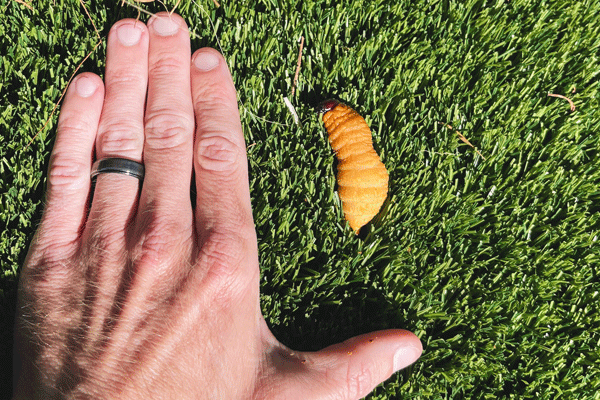
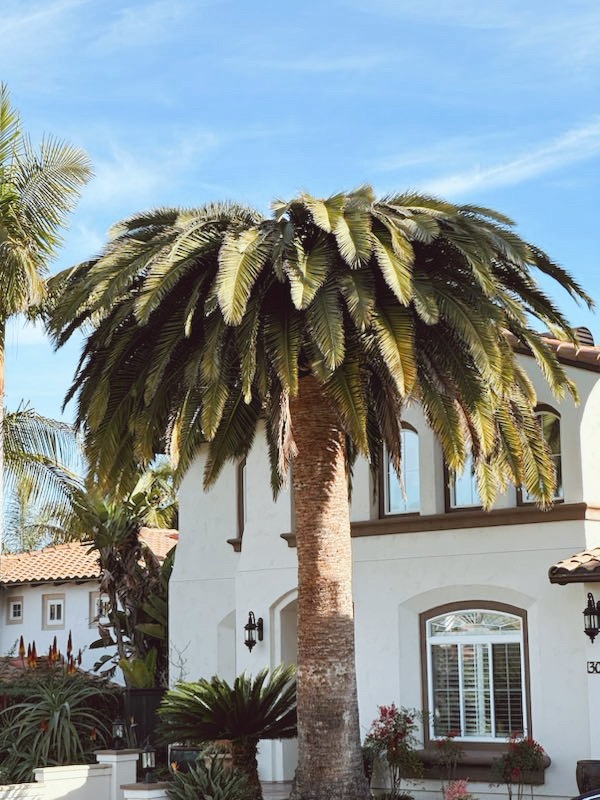
Palms are also common victims of pest infestations. The Canary Island date palm is especially vulnerable to the South American weevil, which is killing these giant palms all over Poway and the rest of San Diego County.
Routine inspections help catch these issues earlier. If caught early on, treatments can be administered. In some cases, pruning infected limbs or improving overall tree health can slow the spread of disease. However, severely compromised trees may eventually become hazardous and require removal.
Palms Need More Maintenance Than People Think
Palms are popular throughout Poway because they tolerate heat well and create that quintessential Southern California look. However, many homeowners underestimate how much maintenance palms actually require. But palm species all behave differently—some are more high-maintenance than others.
Certain species, such as the Mexican fan palm, accumulate unattractive, dead fronds over time if not trimmed away. Additionally, neglected palms often attract rodents insects, and nesting birds.
Trees Too Close to Homes Can Cause Expensive Headaches
Another common issue throughout Poway involves trees planted too close to homes and structures. At first, young trees from the local nursery may seem harmless. However, years later, branches begin scraping roofs, blocking gutters, shading solar panels, and dropping debris into yards and pools.
In addition, overhanging limbs create pathways for rodents and pests to access roofs and attics. During storms, these branches may also break, damaging structures below.
Proper clearance trimming helps reduce these risks while maintaining the natural appearance of the tree. Furthermore, regular maintenance prevents trees from becoming too large for the space they occupy.
But even more of a nuisance is the tree growth that happens underground. Certain tree species that are common in Poway have very destructive roots that lift sidewalks, crack foundations, and pierce through pipes.
Many homeowners wait too long before addressing overgrowth. Unfortunately, delayed maintenance often leads to more aggressive canopy trimming or root removal, which can cause unnecessary stress to the tree.
Waiting Usually Makes Problems More Expensive
Perhaps the most common mistake homeowners make is waiting too long to address tree issues. A small problem today can become a major expense tomorrow.
For example, removing a dead branch is typically straightforward and affordable. On the other hand, repairing a roof after that same branch falls during a windstorm is significantly more expensive. Similarly, routine maintenance usually costs far less than emergency tree removal after a failure occurs.
Trees are constantly growing and changing. Therefore, regular inspections and maintenance allow homeowners to address issues while they are still manageable. Ultimately, proactive tree care is one of the smartest investments a homeowner can make.
Why Professional Poway Tree Care Matters
Tree work involves far more than simply cutting branches. Professional tree care requires an understanding of tree biology, structural integrity, pruning techniques, safety procedures, and local growing conditions. Furthermore, every species responds differently to pruning, drought, pests, and environmental stress.
At LC Tree Service, we provide professional Poway tree service specifically tailored to the challenges local homeowners face. Whether you need routine tree trimming, hazard reduction, fire prevention services, emergency removals, or long-term maintenance, our team has the experience and equipment to get the job done safely and efficiently.
Most importantly, we help homeowners identify problems before they become costly emergencies.
If your trees are overdue for maintenance, showing signs of stress, or creating safety concerns around your property, contact LC Tree Service today. Our experienced team provides trusted Poway tree service designed to keep your trees healthy, your property protected, and your landscape looking its best throughout every season.